
TL;DR

Get business pricing on tools and workshop supplies
- Business-only prices and quantity discounts
- Tax-exempt purchasing
- Multiple users, one account, clear invoices
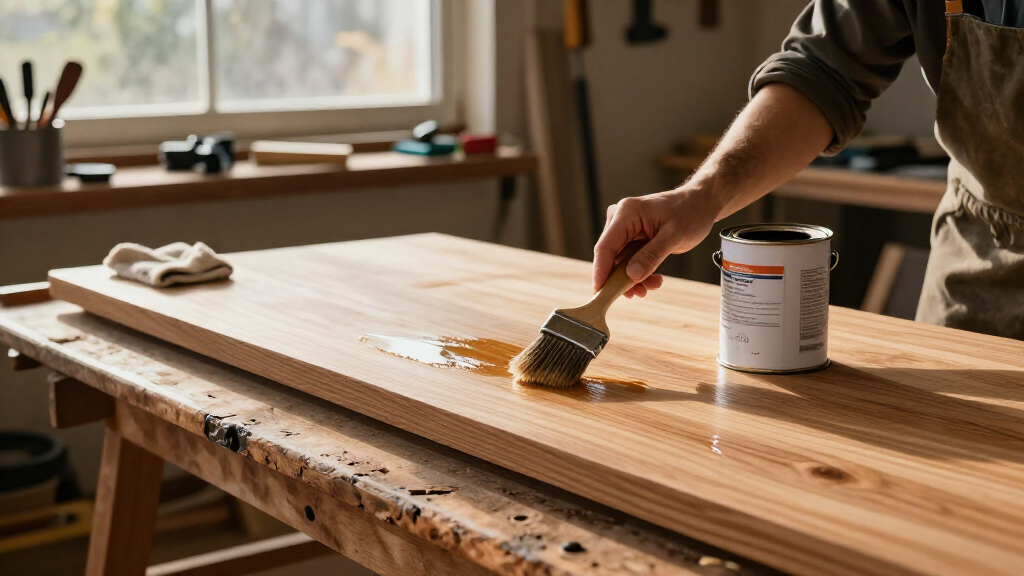
Polyurethane is a common choice for interior surfaces that see spills and abrasion, while exterior-rated varnish is often better suited to wood exposed to sun and changing weather. Compare the product label and technical data sheet, test the full finish system on scrap, and follow the specified application and cure times.
A tabletop can look perfect on Saturday and wear through by spring if the finish doesn’t suit the way you use it. A friend once coated a bright maple desk with an oil-based finish expecting it to stay pale; the sample scrap told a different story, turning the wood a warm amber before the first coat on the desk.
Varnish and polyurethane are clear protective finishes used on wood. Both help resist wear and moisture, but their formulas, appearance, application, and upkeep vary. The right pick depends on where your project will live, how much handling it gets, and whether you want the grain to stay pale or deepen in color.
This guide gives you a practical way to compare exterior exposure, interior wear, color, sheen, and application demands. You’ll also see why the product label matters more than a familiar name, how to test a finish before committing, and what to plan for in a small garage shop. A clear coat is like a rain jacket for wood: useful only when its design matches the weather.
Check the product’s intended use and stated chemistry; “varnish” and “polyurethane” labels can overlap.
Use polyurethane commonly intended for interior wear, and choose an exterior-rated product for outdoor wood.
Test your stain and finish together on project scrap to see the final color and sheen.
Apply the coat count and thickness the label specifies, and distinguish dry time from full cure time.
Inspect outdoor coatings for dullness, cracks, or peeling and maintain them before bare wood is exposed.
Wood finishing field guide / 01
Choosing the Right Varnish or Polyurethane for Your Project
Match the finish to the wood’s location, workload, and the look you want. Polyurethane is a common choice for interior surfaces that face spills and abrasion; an exterior-rated varnish is often better suited to sun and changing weather.
Key insight
“Varnish” and “polyurethane” can overlap. The label tells you what the coating is built to handle.
Start with chemistry and use ratingKnow what the label means
01 / Read before you buyVarnish is a broad family of film finishes made from resins, oils, and solvents. Polyurethane is a durable film finish that may itself be described as a varnish. Consumer labels can overlap, so compare stated chemistry, intended use, and technical data rather than relying on the name alone.
Where will it live?
Look for an exterior rating for outdoor wood. Interior floor or furniture products are designed for different conditions.
What must it handle?
Floors and tabletops need abrasion and spill resistance. Outdoor pieces need suitable moisture and UV protection.
How is it applied?
Compare coat count, sanding, drying windows, cleanup, ventilation, and whether brushing, wiping, or spraying is specified.
Practical filter: A can labeled polyurethane may be intended for an interior floor, while an exterior varnish may be formulated for sun and wood movement. Buy for the project’s job.
Match the finish to the workload
02 / Exposure & upkeepA tabletop and a garden bench can look equally glossy on day one. Their coatings face very different demands over time.
Place
Decide whether the wood will stay indoors or face sun, rain, and temperature swings.
Rate
Choose a product explicitly rated for that exposure and intended surface.
Apply
Follow label directions for thin, even coats, sanding, and drying intervals.
Maintain
Inspect outdoor finish for dull patches, cracks, or peeling; recoat as it wears.
Compare the tradeoffs
03 / Broad patternsNeither finish wins every job. These patterns help narrow the choice; product labels and technical sheets set the actual specifications.
| Decision | Polyurethane | Exterior-rated varnish |
|---|---|---|
| Common use | Interior floors, furniture, cabinets, and trim | Outdoor wood exposed to weather |
| Appearance | Oil-based often warms wood; water-based often stays clearer | Can bring a warm look; verify with a sample |
| Weather exposure | Use outdoors only when the specific product is rated for it | Formulated for exterior exposure, with upkeep |
| Maintenance | Depends on wear, preparation, and product | Inspect regularly and recoat as the surface wears |
Spar or marine varnish is formulated to move with wood in changing weather, but it still needs inspection and maintenance. A leftover interior floor finish is not a substitute for an exterior-rated coating.
Preview the color before you commit
04 / Appearance & compatibilityA clear coat can shift the wood’s color. Formulas and species vary, so treat common tendencies as a starting point and test the complete finish system.
Water-based polyurethane
Generally dries clearer and helps pale wood stay lighter. Often lower odor and VOC content than solvent-based products.
Oil-based polyurethane
Often adds warmth or amber color and may have longer working and drying times. Check how it looks on your wood.
- Use an offcut or hidden area from the project.
- Test the planned stain, sealer, coats, and sanding steps together.
- Compare gloss, semi-gloss, satin, or matte in daylight and evening light.
- Check compatibility with any previous coating and follow label precautions.
From can to finished surface
Trace the decisionA small sample and a careful schedule can save a full project from the wrong color, coating, or cure time.
Shop note: Thin, even coats usually beat one heavy coat. Follow the specified coat count, sanding, thinning, drying, and full cure times. Solvent-based products can produce strong fumes; ventilate and handle every product as directed.
Know what the label means before you choose
Varnish is a broad family of film finishes made from resins, oils, and solvents; polyurethane is a durable film finish that may itself be described as a varnish. In consumer products, the word “varnish” often refers to products without polyurethane, so the names can overlap. Read the stated chemistry, intended use, and application instructions before comparing cans.
That distinction matters when you’re choosing a finish for a project with a specific job. A can labeled polyurethane may be designed for an interior floor, while an exterior varnish may be formulated to cope with sun and wood movement. Those are different demands. A finish suitable for a dining table doesn’t automatically belong on a garden bench.
For example, imagine you’re finishing a cedar planter and an oak coffee table in the same weekend. The familiar “clear varnish” label alone won’t tell you which can suits either piece. Check the exterior rating for the planter and abrasion guidance for the table. The name on the front is a starting point; the product’s listed performance and directions are the working specifications.
Compare the use rating, chemistry, cleanup method, and technical data sheet. If a product’s intended use is unclear, don’t assume it will perform well outdoors or on a hard-wearing floor. A clear finish is a thin shield, and the label describes what that shield was built to handle.
Popular right now

Ninja Flip Toaster Oven and Air Fryer, 8-in-1, Stainless Steel, SP151

KitchenAid Classic Series 4.5 Quart Tilt-Head Stand Mixer K45SS, Onyx Black

Bose QuietComfort Wireless Bluetooth Headphones with Active Noise Cancellation, Mic, USB‑C Charging, Deep Bass, 24‑Hour Battery – White Smok
As an affiliate, we earn on qualifying purchases.
Match the finish to the wood’s location and workload
Choose polyurethane commonly used for interior high-wear surfaces, and choose an exterior-rated varnish when the wood must face sun and weather. Floors and tabletops need abrasion and spill resistance. Outdoor projects need a product rated for exterior use, with suitable moisture and UV protection. An interior polyurethane is not a stand-in for an exterior finish.
Think of the project as a work surface with a particular shift. A kitchen table gets cups, crumbs, wiping, and the occasional dropped utensil. An outdoor bench gets rain, temperature swings, and sunlight that can fade or degrade a finish. The surface might look equally glossy on day one, but the demands on its coating are not equal.
Spar or marine varnish is formulated to move with wood exposed to changing weather. It still needs inspection and maintenance; outdoor coatings have a tougher job than indoor ones. Check the finish periodically for dull patches, cracks, or peeling. If you ignore a small worn area, moisture and sun can turn a manageable recoat into a larger repair.
Use the product’s stated exposure rating as your first filter. If you’re building a porch chair, don’t reach for a leftover interior floor finish just because it has polyurethane in its name. If you’re coating an indoor bookshelf, an exterior product may add application or maintenance demands you don’t need. Match the finish to where the wood will live and what will touch it.
See how oil-based and water-based finishes change the color
Water-based polyurethane generally keeps wood lighter and clearer, while oil-based polyurethane often adds a warmer amber tone. These are common tendencies, not guarantees: formulas differ, and the same product can look different across species. A clear coat doesn’t necessarily leave wood looking unchanged.
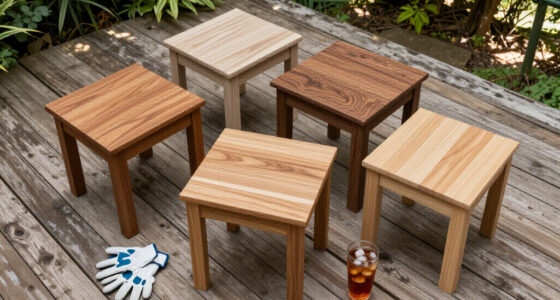
If you’re finishing a pale maple shelf, a water-based formula may help preserve its light color. On walnut, an oil-based product’s warmth may deepen the grain in a way you like. The finish is part of the color decision, much like choosing a glaze changes the look of a ceramic surface. Sheen adds another visual layer: gloss reflects more light, while satin or matte softens reflections.
Test on an offcut from the project, or on a hidden area if you’re refinishing existing wood. Use the same stain, sealer, number of coats, and sanding steps you plan to use on the finished piece. A single thin test coat can show color, but a full sample system gives you a much better preview.
Make a sample board before coating the whole project. For a cabinet door with three possible colors, apply your planned stain and finish to separate scrap pieces, then compare them in the room’s daylight and evening light. That small test catches amber shifts and sheen surprises before they’re spread across a kitchen.
Compare the tradeoffs before buying a can
Polyurethane is widely used on interior floors and furniture, while exterior-rated varnish suits many outdoor projects that need weather protection and flexibility. Neither option wins for every job. The right choice depends on exposure, wear, look, and your willingness to maintain the coating.
| Decision | Polyurethane | Exterior-rated varnish |
|---|---|---|
| Common use | Interior floors, furniture, cabinets, and trim | Outdoor wood exposed to weather |
| Appearance | Oil-based often warms the wood; water-based often stays clearer | Can bring a warm look; check the product sample |
| Weather exposure | Use outdoors only if the specific product is labeled for it | Formulated for exterior exposure, but still needs upkeep |
| Maintenance | Depends on wear, preparation, and product | Inspect regularly and recoat as the surface wears |
These broad patterns don’t replace the label. Two products with similar names can have different application windows or intended uses. A water-based polyurethane designed for a floor and one designed for trim may not share the same instructions or performance claims.
Picture a small garage shop where you’re coating a bathroom vanity and an outdoor gate. You can compare both cans by asking: Is it rated for the exposure? Will the color work? How many coats does the label specify? What cleanup and ventilation will I need? Buy for the job, not for the category name. For a single project, paying extra for a product with the correct rating often costs less than stripping and refinishing a failed coat.
Apply thin coats and give them time to cure
Follow the product label for coat count, sanding, thinning, drying, and cure time; thin, even coats usually beat one heavy coat. A surface that feels dry may still need more time before you sand it, add another layer, or put it into service. Temperature, humidity, airflow, coat thickness, and formula all affect timing.
- Check the full system. Confirm the finish is compatible with the stain, sealer, or existing coating, then test on scrap or an inconspicuous spot.
- Prepare the surface. Clean it and follow the label’s sanding guidance. Remove dust with a method suited to the product and your shop setup.
- Apply as directed. Brush, wipe, or spray only if the product permits that method. Use the specified coat thickness and recoat window.
- Sand between coats when directed. Keep the sanding light and even; remove the dust before the next coat.
- Wait before use. Respect the label’s drying and curing times before stacking, washing, or putting the piece into service.
For instance, a tabletop might feel dry the next morning yet still mark under a vase if it hasn’t cured enough. Don’t judge readiness by touch alone. Likewise, don’t thin a varnish or polyurethane unless the manufacturer allows it and names a suitable thinner; unapproved thinning can interfere with film formation.
In a garage shop, plan the work around ventilation, dust, and odor. Solvent-based products can produce strong fumes, so follow the label’s safety steps, ventilate appropriately, and use its specified protective equipment. Water-based products often have lower odor and VOC emissions, but still require label-directed precautions.
Plan for upkeep, repairs, and the finish’s real service life
No clear coat is maintenance-free: indoor finishes wear from use, while outdoor finishes also face sun and weather. A tough coating can reduce wear and moisture damage, but it can still scratch, dull, or peel. Routine inspection helps you catch the small signs before bare wood appears.
On an indoor dining table, a worn patch around the place where someone always rests their forearms might call for careful cleaning and a compatible recoat. On a garden chair, look for cracks, dull areas, or lifting edges after a season outside. The exterior coating needs regular attention because weather keeps working on it even when nobody is sitting there.
Repairs can show if the old and new finishes differ in color, sheen, or age. Before recoating an existing surface, find out whether it has wax, oil, loose finish, or a coating incompatible with your chosen product. A peeling layer may need removal rather than another coat on top. Test your repair approach in a discreet spot first.
Clean gently and follow the manufacturer’s maintenance guidance. Harsh abrasives can dull a film finish, and aggressive cleaning can leave a spot that catches the light. For example, if the arm of a chair has gone cloudy, try the recommended cleaning method before reaching for a sanding pad. A little inspection and measured repair can keep a useful piece in service longer.
Choose a finish safely in a small home shop
Pick a finish you can apply safely in your available space, and follow its label for ventilation, protective equipment, and disposal. Solvent-based products can have strong fumes; water-based products often have lower odor and VOC emissions, but “water-based” does not mean you can ignore handling instructions.
In a one-car garage, airflow, dust, and where you can leave a piece to cure may decide which product is practical. A fast-drying finish may leave you less time to brush out a lap mark, while a longer working time can attract more dust if the shop is busy. Neither trait makes one finish universally better; it changes how you need to organize the work.
Low-VOC, fast-drying, or eco-friendly claims don’t promise identical performance across brands or regions. Formulas and regulations vary, so check the current label and technical data sheet for the product you can actually buy. Follow local instructions for handling and disposal as well.
Set up the project before opening the can. Clear a stable work surface, control dust where practical, and make sure you can ventilate as directed. If you’re coating a large piece, plan where it can sit untouched through the stated cure period. A finish can only do its job if it forms a sound film, and a rushed, dusty application is a poor start.
Frequently Asked Questions
Is polyurethane better than varnish?
Neither is universally better. Polyurethane is commonly used on durable interior surfaces, while exterior-rated varnish often suits outdoor wood exposed to changing conditions. Match the specific product to the project’s exposure and upkeep needs.
Can I use polyurethane outdoors?
Use it outdoors only if that specific product is labeled for exterior use. Many interior polyurethanes aren’t designed for prolonged sunlight and weather. Check the can and technical data sheet rather than relying on the word “polyurethane.”
Which finish should I use for a floor or tabletop?
Polyurethane is widely used on interior floors and tabletops that face abrasion and spills. Actual performance depends on the formula, preparation, application, curing, and how the surface is used. Follow the product’s intended-use rating and directions.
Will water-based polyurethane change the wood’s color?
Water-based polyurethane generally preserves a lighter, clearer look, while oil-based polyurethane often adds warmth or amber color. Products and wood species vary. Test the planned finish on an offcut to preview the result.
Can I apply polyurethane over varnish or stain?
Sometimes, if the existing layers are compatible and the surface is clean and prepared correctly. Follow both manufacturers’ instructions and test a hidden area first. Peeling, oily, or waxed surfaces may need more than a simple recoat.
How many coats should I apply, and when can I use the piece?
Apply the number of coats the product label specifies, and wait for its stated cure time before normal use. Thin, even coats and any required sanding between coats help build a consistent film. A finish can feel dry before it is ready to withstand everyday wear.
Conclusion
Choose by exposure, workload, appearance, and the product’s instructions. Polyurethane is a common fit for hard-used interior surfaces; exterior-rated varnish is often suited to outdoor wood that moves through changing weather. Test the whole finish system on scrap, then give each coat the time the label calls for.
A clear coat is the wood’s rain jacket and work apron at once. Pick the right one for the job, and your project can keep its color and character through years of hands, cups, sun, or rain.