
TL;DR

Get business pricing on tools and workshop supplies
- Business-only prices and quantity discounts
- Tax-exempt purchasing
- Multiple users, one account, clear invoices
The best finish for outdoor furniture depends on material and maintenance appetite: penetrating oils for dense hardwoods like teak and cedar, spar urethane or marine varnish for protection with a film, exterior paint for maximum coverage, and powder coating for metal. UV exposure is the leading cause of finish failure, so UV-resistant products and recoating every 1–3 years matter more than brand choice.
I built a cedar dining set for our back patio a few years back. Finished it with an interior polyurethane because I had a half-quart left over. By August, the tabletop looked like an alligator handbag — cracked, cloudy, peeling at every edge. That mistake cost me a full weekend of stripping and sanding.
Here’s the thing most people learn the hard way: outdoor finishes fail from UV exposure more often than from rain. Water beads up and runs off. Sunlight breaks down the resins in the finish itself, week after week, until the film gives up.
In this guide, you’ll learn which finishes work for which materials, how to prep properly (the step that actually determines success), and what maintenance schedule keeps a small patio set looking good for a decade instead of two seasons. I’ll be honest about budget options versus pro-tier stuff — a garage workshop doesn’t need marine-grade everything.
Match finish category to material: penetrating oils for teak/cedar/ipe, spar urethane or paint for pine/oak, primer-plus-paint or powder coat for steel.
UV damage — not rain — is the #1 killer of outdoor finishes; buy products listing UV inhibitors and expect faster failure on full-sun exposures.
Prep is 80% of the result: clean, dry 24–48 hours, sand 100–120 grit, and remove all dust before the first coat.
Recoat intervals: oils every 6–12 months, spar urethane every 2–3 years, exterior paint every 5+, checked with a simple water-bead test each spring.
Dry oil-soaked rags flat outdoors — curing oils generate enough heat for spontaneous combustion.
Choosing the Right Finish for Outdoor Furniture
The best finish depends on material and maintenance appetite: penetrating oils for dense hardwoods, spar urethane for film protection, exterior paint for maximum coverage, powder coat for metal. UV exposure — not rain — is the leading cause of finish failure. UV-resistant products and recoating every 1–3 years matter more than brand choice.
“By August, the tabletop looked like an alligator handbag — cracked, cloudy, peeling at every edge.”
A cedar dining set finished with leftover interior polyurethane. One summer of sun destroyed the film and cost a full weekend of stripping and sanding.
Match the Finish to the Material — Or Watch It Fail
Using the wrong category of finish is the fastest route to peeling, graying, or rust-bleed. Dense, oily hardwoods like teak and ipe resist film finishes because their natural oils interfere with adhesion. Porous woods like pine drink up whatever you give them. Metal and synthetics play by different rules entirely.
Teak, Ipe, Cedar
Penetrating exterior oils are the only reliable option — natural wood oils block film adhesion. An exterior-rated oil with UV inhibitors can go three years with just an annual wipe-down and refresh coat.
Pine, Fir, Oak
These woods drink up whatever you give them, making them candidates for exterior paint, spar urethane, or an exterior penetrating oil. Cedar sits in the middle: naturally decay-resistant, it tolerates a light oil approach.
Steel & Wrought Iron
These want a rust-inhibiting primer followed by exterior paint or powder coating. Skip the primer and you get rust-bleed through the topcoat within a season.
Aluminum
Barely needs anything beyond a clear exterior sealant — or leave it bare. Aluminum forms its own protective oxide layer and doesn’t rust.
Plastic & Resin Wicker
Rejects most coatings unless you use a product formulated with adhesion promoters. Standard spray paint will flake off HDPE lumber in sheets.
Danish Oil, Outdoors
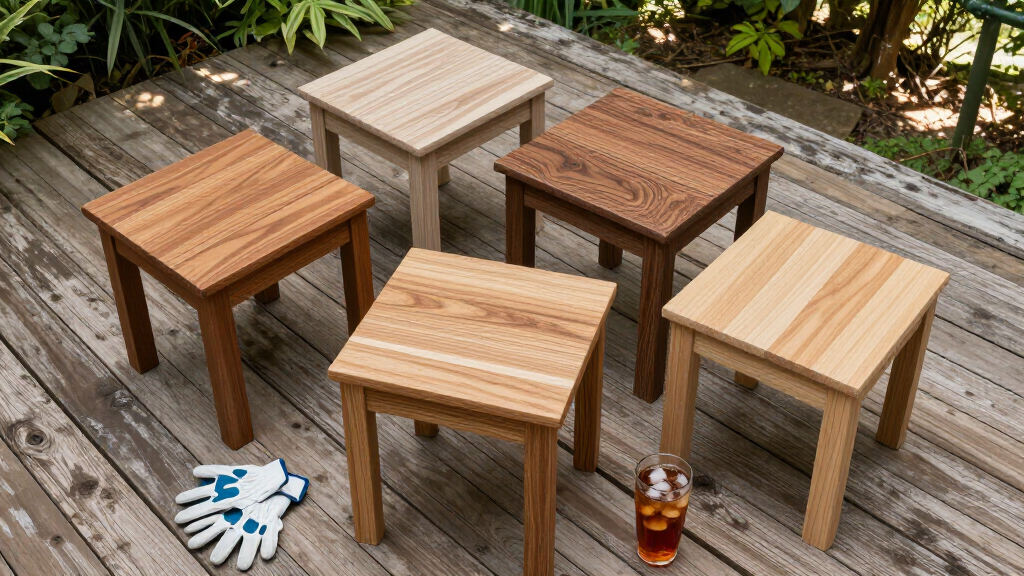
Wiped onto a white oak garden bench, indoor Danish oil looked gorgeous for four months — then grayed and oxidized into a full strip-and-refinish. Same bench, exterior oil with UV blockers: three years and counting.
Oils vs. Varnish vs. Paint: Which Actually Survives?
It comes down to looks versus protection. Oils preserve grain and never peel, but need reapplication. Spar urethane builds a flexible film that lasts years — then fails ugly and needs full stripping. Exterior paint is the 5+ year workhorse that hides the wood.
Teak & Exterior Oils
Soak into the fibers rather than sitting on top — no film means nothing to peel. Refresh is a 30-minute rag job. Caveat: modest UV protection unless the label lists UV inhibitors, and dense hardwoods will still silver if you skip a season.
Spar Urethane & Marine Varnish
Built flexible with extra oils and flexibilizers so the film moves with expanding wood. “Marine spar varnish” carries the highest UV additive loads. When it fails, you’re sanding back to bare wood.
Exterior Acrylic Paint
Quality exterior acrylic latex over good primer: 5+ years of service, hides weathered wood, hundreds of colors. On a beat-up pine picnic table, paint isn’t a compromise — it’s the smart play.
| Finish Type | Lifespan Outdoors | Look | Maintenance | Best For |
|---|---|---|---|---|
| Penetrating oil | 6–12 months | Natural grain, warm | Wipe-on refresh, no stripping | Teak, cedar, ipe |
| Spar urethane / marine varnish | 2–3 years | Ambered, glossy to satin film | Full strip when it fails | Tables, detailed pieces, covered patios |
| Exterior acrylic paint | 5+ years | Solid color, hides grain | Wash, touch up, repaint | Pine, fir, painted-style furniture |
| Powder coating (metal) | 10–15 years | Uniform, durable | Professional reapplication | Steel and aluminum frames |
Prep Right: The 20 Minutes That Decide Everything
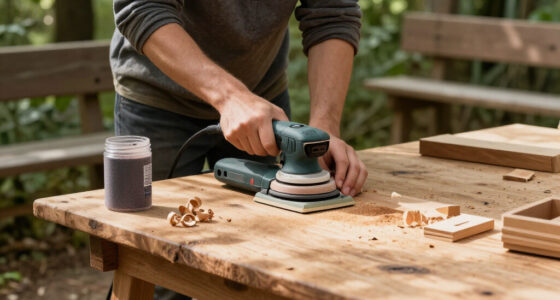
Finish chemistry cannot bond to dirt, grayed wood fibers, mill glaze, or old oxidized coating. When the failed polyurethane came off that cedar tabletop, stripping took two hours — cleaning, sanding, vacuuming, and tack-clothing took barely one more. The new spar urethane has held four years. The difference wasn’t the product; it was the surface it bonded to.
Clean
Wash with mild soap and water — or a dedicated deck cleaner for grayed wood. Rinse thoroughly.
Dry Completely
Wait 24–48 hours. Finishing damp wood traps moisture and causes peeling — the single most common DIY mistake.
Sand
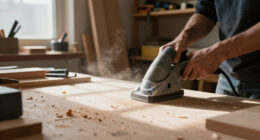
100–120 grit for raw wood, 150–180 before the final coat. Always sand with the grain. Opens mill glaze and removes dead gray fiber.
Remove Dust
Vacuum every surface, then wipe with a tack cloth. Dust trapped under the first coat ruins adhesion.
Dry oil-soaked rags flat, outdoors. Curing oils generate enough heat for spontaneous combustion — a balled-up rag in a trash can can ignite itself.
Recoat Intervals at a Glance
Expected service life of each finish category outdoors, before refresh or full renewal. Run a simple water-bead test each spring: if water soaks in instead of beading, it’s time to recoat.
What’s new on the shelf: low-VOC and eco-friendly formulations, nanotechnology coatings with enhanced UV and scratch resistance, hybrid finishes combining water repellency with UV blockers in one product, and experimental smart finishes with UV indicators that change color when reapplication is due.
Five Rules for a Decade-Long Finish
Match Finish Category to Material
Penetrating oils for teak/cedar/ipe, spar urethane or paint for pine/oak, primer-plus-paint or powder coat for steel.
UV Damage Beats Rain
Sunlight breaks down finish resins week after week. Buy products listing UV inhibitors and expect faster failure on full-sun exposures.
Prep Is 80% of the Result
Clean, dry 24–48 hours, sand 100–120 grit, remove all dust before the first coat. No finish bonds to dirt or mill glaze.
Recoat on Schedule
Oils every 6–12 months, spar urethane every 2–3 years, paint every 5+ — verified with a water-bead test each spring.
Safety First: Oily Rags
Dry oil-soaked rags flat outdoors — curing oils generate enough heat for spontaneous combustion. And skip indoor finishes outdoors entirely: a garage patio set doesn’t need marine-grade everything, but it does need exterior-rated products.
Match the Finish to the Material — Or Watch It Fail
Different outdoor furniture materials require specific finishes to optimize durability. Cedar and teak woods benefit from penetrating oil finishes that soak into the grain, while metal furniture needs rust-resistant coatings and plastics need flexible, adhesion-promoting products. Using the wrong category of finish is the fastest route to peeling, graying, or rust-bleed.
Here’s a concrete example from my shop. I once wiped Danish oil — an indoor favorite — onto a white oak bench for a client’s garden. It looked gorgeous for about four months. Then the wood grayed, the oil oxidized, and the bench needed a full strip-and-refinish. The same bench, redone with an exterior-rated penetrating oil containing UV inhibitors, has gone three years with nothing more than an annual wipe-down and refresh coat.
Wood species matters as much as material category. Dense, oily hardwoods like teak and ipe resist film finishes because their natural oils interfere with adhesion — penetrating oils are the only reliable option. Porous woods like pine and fir drink up whatever you give them, which makes them candidates for paint or a built-up film finish. Cedar sits in the middle: it’s naturally decay-resistant, so it tolerates a light oil approach that would doom a pine board.
Metal and synthetic materials play by different rules entirely. Wrought iron and steel want a rust-inhibiting primer followed by exterior paint or powder coating. Aluminum barely needs anything beyond a clear sealant. Plastic and resin furniture rejects most coatings unless you use a product specifically formulated with adhesion promoters — standard spray paint will flake off HDPE lumber in sheets.
- Teak, ipe, cedar: penetrating exterior oils
- Pine, fir, oak: exterior paint, spar urethane, or exterior penetrating oil
- Steel, wrought iron: rust-inhibiting primer + exterior paint or powder coat
- Aluminum: clear exterior sealant or leave bare
- Plastic/resin wicker: flexible spray paint with plastic adhesion promoter
outdoor furniture UV resistant finish
As an affiliate, we earn on qualifying purchases.
As an affiliate, we earn on qualifying purchases.
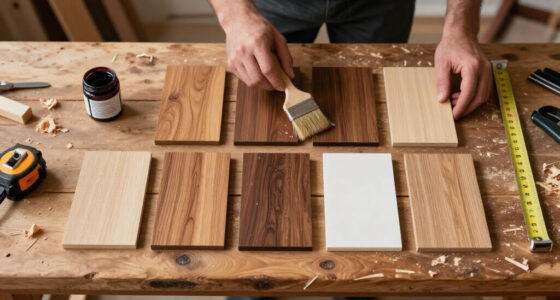
Oils vs. Varnish vs. Paint: Which Finish Actually Survives Outdoors?
Choosing the right finish for outdoor furniture comes down to a tradeoff between looks and protection. Penetrating oils preserve natural grain and are easy to maintain but need annual reapplication. Film finishes like spar urethane build a protective layer that lasts 2–3 years but eventually peels and requires full stripping. Paint offers the most protection and color options but hides the wood completely.
Let me break these down the way I’d explain them to someone standing in my shop. Teak oil and exterior penetrating oils soak into the wood fibers rather than sitting on top. They don’t peel because there’s no film to peel. When they wear out, you clean the surface, let it dry, and wipe on another coat — a 30-minute job with a rag. The tradeoff: they offer modest UV protection unless the label specifically lists UV inhibitors, and dense hardwoods will still silver if you skip a season.
Spar urethane and marine varnish are film finishes built flexible. Regular polyurethane cures hard and rigid; outdoors, that rigidity cracks as wood expands and contracts with humidity. Spar urethane contains more oils and flexibilizers, so the film moves with the wood. Look for products labeled “marine spar varnish” — they carry the highest UV additive loads. The catch: when spar urethane eventually fails, it fails ugly. You’ll be sanding it all off back to bare wood.
Exterior paint is the workhorse. A quality exterior acrylic latex over a good primer gives you 5+ years of service, hides weathered wood, and offers hundreds of color choices. On a beat-up pine picnic table, paint isn’t a compromise — it’s the smart play.
| Finish Type | Lifespan Outdoors | Look | Maintenance | Best For |
|---|---|---|---|---|
| Penetrating oil (teak, exterior oil) | 6–12 months | Natural grain, warm | Wipe-on refresh, no stripping | Teak, cedar, ipe |
| Spar urethane / marine varnish | 2–3 years | Ambered, glossy to satin film | Full strip when it fails | Tables, detailed pieces, covered patios |
| Exterior acrylic paint | 5+ years | Solid color, hides grain | Wash, touch up, repaint | Pine, fir, painted-style furniture |
| Powder coating (metal) | 10–15 years | Uniform, durable | Professional reapplication | Steel and aluminum frames |
marine spar urethane for outdoor wood
As an affiliate, we earn on qualifying purchases.
As an affiliate, we earn on qualifying purchases.
Prep Right: The 20 Minutes That Decide Whether Your Finish Lasts
Proper preparation determines at least 80% of finish success outdoors. Cleaning, sanding, and fully drying the surface before application guarantees adhesion; skipping prep guarantees failure within one season no matter how good the finish is. Finish chemistry cannot bond to dirt, grayed wood fibers, mill glaze, or old oxidized coating.
When I stripped that failed polyurethane off my cedar tabletop, the stripping took two hours. The prep afterward — cleaning, sanding through 120-grit, vacuuming with my shop vac, wiping with tack cloth — took barely more than an hour. The new spar urethane has held four years. The difference wasn’t the product. It was the surface it bonded to.
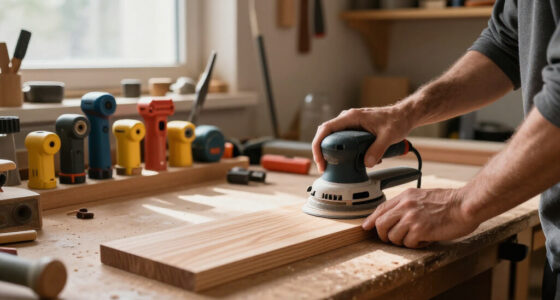
Sanding matters more than people think. Fresh wood from the lumberyard often carries mill glaze, a compressed, almost burnished surface left by planer knives that blocks penetration. A quick pass with 100- or 120-grit paper opens the grain. Weathered gray wood needs sanding back to clean fiber too — the gray is dead cellulose, and no finish will save it.
- Clean: Wash with mild soap and water (or a dedicated deck cleaner for grayed wood). Rinse thoroughly.
- Dry completely: Wait 24–48 hours. Finishing damp wood traps moisture and causes peeling — this is the single most common DIY mistake.
- Sand: 100–120 grit for raw wood, 150–180 before the final coat. Always sand with the grain.
- Remove dust: Vacuum, then wipe with a tack cloth or a barely damp rag.
- Test adhesion: On previously finished surfaces, apply the new finish to a hidden spot and check after 48 hours.
If you wouldn’t put your bare hand on the surface and call it clean and smooth, don’t put finish on it.
One safety note: if you’re refinishing painted furniture in an older home’s collection and suspect pre-1978 paint, test for lead before sanding — lead dust is a serious health hazard, and sanding old paint without containment and proper PPE (respirator, sealed work area) isn’t worth the risk. When in doubt, use chemical stripper or consult a professional.
As an affiliate, we earn on qualifying purchases.
Why Sunscreen for Wood Isn’t a Joke — The UV Problem
UV radiation is the leading cause of outdoor furniture deterioration, which makes UV-resistant finishes the most important aspect to consider when choosing a product. Sunlight breaks down lignin — the natural polymer holding wood fibers together — and simultaneously degrades the resins in film finishes. A finish without UV blockers can fail in a single summer of direct sun.
You can see this on any weathered fence board. That silvery-gray patina people either love or hate? That’s photodegraded lignin. The sun’s UV rays sever the chemical bonds in the wood’s structure, rain washes the broken fragments away, and fresh fiber gets exposed to repeat the cycle. It’s erosion in slow motion.
Finish chemistry answers this two ways. Pigments and tints physically block UV — which is why tinted deck stains outlast clear finishes by years on the same board. Transparent finishes rely on chemical UV absorbers, usually hindered amine light stabilizers (HALS), which sacrifice themselves to absorb UV energy before it reaches the wood. That’s why the label on quality spar varnish proudly lists “UV inhibitors” and why cheap varnish doesn’t mention it at all.
Practical implications for your patio. A south-facing deck in Arizona sun will destroy finishes roughly twice as fast as a shaded porch in the Pacific Northwest. Orientation and exposure should drive your recoat schedule more than the calendar does. And if you love the natural look but your furniture sits in full sun, a lightly tinted penetrating oil — even a “natural cedar” tone — buys you significantly more time than a fully clear product.
One newer development worth watching: hybrid finishes combining UV resistance and water repellency in a single product have improved markedly, and some manufacturers now offer finishes with UV indicators that shift color when the protective layer is depleted. Smart stuff, though I’d call it a convenience, not a substitute for a twice-yearly visual inspection.
As an affiliate, we earn on qualifying purchases.
Low-VOC and Eco-Friendly Finishes That Actually Work
Yes, genuinely durable eco-friendly outdoor finishes exist. Water-based exterior finishes and natural plant-based oils — tung, linseed, and their exterior-rated blends — now deliver respectable weather performance with far lower VOC content than traditional solvent-based varnishes. The performance gap has narrowed dramatically in the past decade.
Let me be honest about where the tradeoffs sit, because eco-friendly marketing can oversell. Water-based exterior finishes have come a long way — modern acrylic formulations handle UV and moisture well — but they generally still build thinner films than oil-based spar urethane and may need recoating slightly sooner. They make up for it in other ways: low odor (you can apply them with the garage door half-open), soap-and-water cleanup, and faster dry times. On a still day, I can apply two coats of water-based exterior finish in a single afternoon. Oil-based needs overnight between coats.
Tung oil and linseed oil are the classic natural options. Pure tung oil is food-safe once cured, non-toxic, and penetrates well — but outdoors, straight tung oil cures slowly (weeks for full cure in cool weather) and offers minimal UV defense unless blended with resins. “Tung oil finishes” sold for exterior use are usually polymerized or blended varnish-oil hybrids, and those blends are the ones worth using on patio furniture. Boiled linseed oil alone on outdoor furniture is a trap: it feeds mildew in humid climates.
- Best eco picks for outdoors: exterior-rated water-based acrylics, polymerized tung oil blends, and hardwax oils formulated for exterior use
- Avoid outdoors: pure boiled linseed oil (mildew food), interior Danish oil, raw tung oil alone in damp climates
- Ventilation tip: even low-VOC products want moving air — work outside or with doors open and a fan
Safety note on rags: any oil-soaked rag — tung, linseed, teak oil — can spontaneously combust as the oil cures and generates heat. Lay rags flat outdoors to dry completely, or soak them in water before disposal. This is not theoretical; it causes real shop fires every year.
Your Maintenance Schedule: What to Do Each Season
Plan on inspecting outdoor furniture twice a year and recoating every 1–3 years depending on finish type and exposure. Oils need refreshing every 6–12 months, spar urethane every 2–3 years, and quality exterior paint every 5 or more. A 15-minute seasonal check catches problems while they’re still a 15-minute fix.
My routine, for what it’s worth: every spring, right before furniture comes out of the garage, I run through a quick inspection. Water should bead on the surface. If water soaks in instead of beading, the water resistance is gone and it’s time to refresh. I look for gray patches (UV damage starting), black spots (mildew — treat with a diluted oxygen bleach solution), and any cracking or peeling at edges and end grain, which is where every finish fails first.
End grain deserves special mention because it’s the sponge of the woodworking world. On a table leg, water wicks up through end grain many times faster than through face grain. When you apply or refresh any finish, give end grain two or three extra coats. On my cedar set, the leg bottoms failed years before the tabletop did — until I started flooding the end grain and adding drip caps.
- Spring: Clean with mild soap and water, inspect for grayed areas, mildew, peeling. Refresh oils if water stops beading.
- Summer: Keep an eye on full-sun pieces; touch up film finishes before small cracks spread.
- Fall: Final clean, repair, and recoat if needed. Store cushions and covers.
- Winter: Cover furniture or move it under cover — even a tarp on a frame doubles finish life in harsh climates.
Covering or storing furniture over winter is the cheapest maintenance you’ll ever do. A $30 furniture cover is less than a quart of quality spar urethane and an afternoon of recoating. And don’t wrap furniture in plastic sheeting — it traps moisture and creates a mildew terrarium. Breathable covers or an airy shed corner win every time.
Frequently Asked Questions
What is the best finish for outdoor wooden furniture?
For dense hardwoods like teak and cedar, an exterior penetrating oil with UV inhibitors is the top choice — it won’t peel and refreshing it takes 30 minutes with a rag. For pine, oak, or furniture with fine detailing, marine spar varthane builds a durable film lasting 2–3 years. If the wood is already weathered or you want color, quality exterior acrylic paint offers 5+ years of protection with the least maintenance.
How often should I reapply finish to outdoor furniture?
Every 1–3 years depending on the finish type and exposure. Penetrating oils need refreshing every 6–12 months, spar urethane every 2–3 years, and exterior paint can go 5 or more. Use the water-bead test: if water soaks into the surface instead of beading, the protective layer is spent regardless of the calendar. Full-sun exposures degrade finishes roughly twice as fast as shaded ones.
Can I use indoor finishes on outdoor furniture?
No — indoor finishes lack the UV blockers and flexibility that outdoor conditions demand. Interior polyurethane cures too rigid and will crack and peel within months as the wood expands outdoors. I learned this the hard way with a half-quart of interior poly on a cedar tabletop; it looked like alligator skin by August. Always choose products explicitly labeled for exterior use.
Are there eco-friendly outdoor finish options?
Yes. Modern water-based exterior acrylics offer low VOCs, low odor, and soap-and-water cleanup with solid weather performance. Natural options like polymerized tung oil blends work well outdoors too. Avoid pure boiled linseed oil on outdoor furniture — it feeds mildew in humid climates — and skip raw tung oil in damp regions, where its slow cure invites problems.
What finish should I use on metal or plastic outdoor furniture?
For steel and wrought iron, apply a rust-inhibiting primer followed by exterior paint, or have it powder coated for a 10–15 year finish. Aluminum needs only a clear exterior sealant. For plastic and resin furniture, use spray paint specifically formulated for plastics — it contains adhesion promoters; standard spray paint will flake off in sheets within a season.
How do I maintain finished outdoor furniture day to day?
Clean with mild soap and water a few times per season, inspect twice a year, and cover or store furniture over winter. Watch end grain closely — it wicks water fastest and fails first, so give it extra coats at every application. Address mildew promptly with diluted oxygen bleach, and touch up any cracked or peeling film finishes before the damage spreads under the coating.
Conclusion
If you remember one thing, make it this: the best finish is the one matched to your material and your actual willingness to maintain it. A penetrating oil you refresh every spring beats a spar urethane you ignore for five years, every time. Check the water beading each spring, flood the end grain, cover it in winter — that routine is worth more than any premium product label.
Build it once, finish it right, and that patio set becomes the piece your kids argue over inheriting instead of the one quietly rotting behind the shed.
Fall Picks
fall essentials
As an affiliate, we earn on qualifying purchases.