
TL;DR

Get business pricing on tools and workshop supplies
- Business-only prices and quantity discounts
- Tax-exempt purchasing
- Multiple users, one account, clear invoices
A Hunker report describes DIYers using wallpaper to make electrical panel covers blend with a wall or look more decorative. The report also stresses that panels must remain accessible, properly closed and compliant with local rules; wallpaper should not cover labels or enter the enclosure.
DIYers are using wallpaper to make visible electrical panel covers less conspicuous, according to a Hunker report on the home-design idea. The approach can help a metal cover fit a room’s decor, but the report warns that the panel must remain readily accessible and that the work must not interfere with its door, labels or enclosure.
The report describes two applications: using wallpaper that matches an already papered wall to help the cover blend in, or applying a small, patterned piece to a painted wall so the panel reads more like a decorative feature. Some people may add a frame-like treatment, while others use peel-and-stick paper for a simpler application. These are design suggestions in the report, not evidence of a tested or universally approved method.
For conventional wallpaper, Hunker describes applying adhesive to the outside of the closed cover and keeping it away from the back of the door and the inside of the electrical box. Another suggested method is to place paper over the closed cover, smooth it, then trim around the door’s edges. The report also describes cutting around the handle so it remains visible and the door can be opened quickly.
Hunker cautions against obscuring required labels or preventing the cover from closing and sealing properly. It says homeowners should check local codes, which may set rules for covering a panel door. The report’s central qualification is that a panel should not be disguised so thoroughly that household members or first responders cannot find and reach it in an emergency.
Aesthetic Changes Must Preserve Access
Electrical panels serve a safety function, so a cosmetic change has to preserve the equipment’s normal use. A cover that cannot open freely, close as intended or be located promptly could make it harder to reach breakers during an urgent situation. Wallpaper can change the appearance of the door, but it should not turn the panel into a concealed fixture.
The idea may appeal to residents whose panels are in prominent places such as hallways, bedrooms or living rooms rather than basements or utility areas. A small design treatment could avoid adding a separate wall hanging that looks out of place. But the convenience of a visual fix depends on respecting access, labels and local requirements; the report does not establish that wallpaper is suitable for every panel or jurisdiction.
Popular right now

De'Longhi 15-Bar Pump Espresso Machine with Milk Frother & Temperature Control

Sony BRAVIA 5 85-Inch Mini LED 4K HDR Smart TV (K-85XR50)

KitchenAid Artisan 5-Quart Tilt-Head Stand Mixer, Almond Cream
As an affiliate, we earn on qualifying purchases.
How the Wallpaper Treatment Works
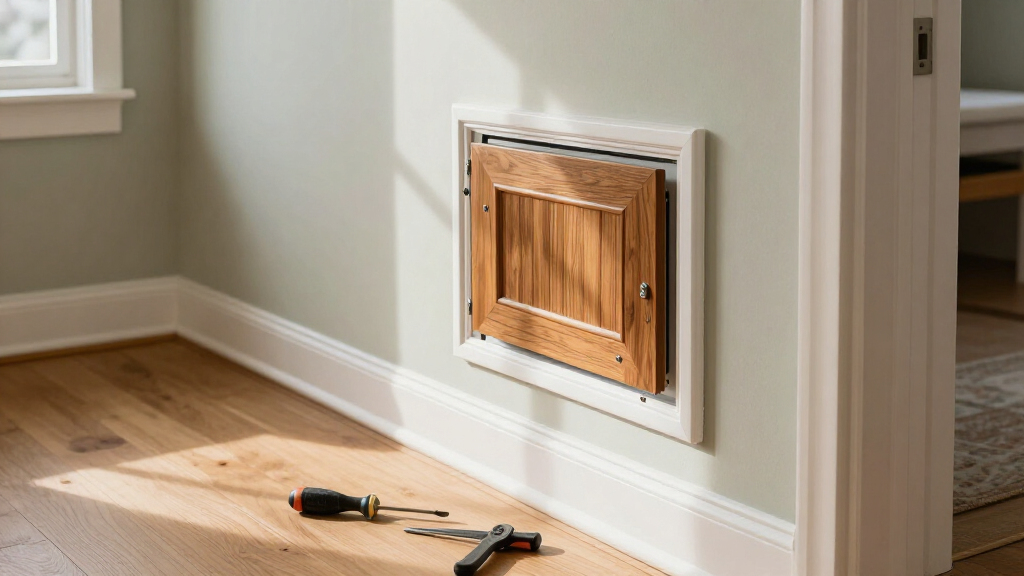
Electrical panels are often placed in less visible parts of a home, but their location can leave a metal door exposed on a finished wall. Hunker frames wallpaper as one alternative to hanging artwork over the panel. Rather than covering the opening with a separate object, the paper can visually connect the cover to the surrounding wall or make it look intentionally decorative.
The report mentions both traditional wallpaper with adhesive and peel-and-stick material. Its examples include matching a wall’s existing paper or using a small patterned section on a painted surface. It also describes trimming the paper around the door’s perimeter and handle. These instructions concern the outside appearance only; the report warns not to let paper or adhesive reach the inside of the enclosure.
Hunker notes that electrical panel covers are metal and says they are intended to contain heat if a problem occurs. That is why the report treats the cover’s condition and proper closure as safety matters, rather than as purely cosmetic details. It advises checking applicable local rules before making changes.
“The panel should still be easy for anyone, such as first responders, to find and access in an emergency.”
— Hunker report
Local Rules and Panel Differences
The source does not identify a specific city, state or building-code provision, nor does it establish whether wallpaper is allowed on every type of electrical panel cover. Requirements and panel designs can differ, so homeowners would need to check the rules that apply where they live and follow the panel manufacturer’s guidance where available.
The report also provides no independent testing of wallpaper materials, adhesives or their performance around electrical equipment. It does not say how the method applies to damaged, unusually warm or otherwise nonstandard panels. Its directions are general design guidance, not a substitute for an electrician’s assessment when there is a concern about the panel or its operation.
Check the Panel Before Decorating
Before applying wallpaper, homeowners should confirm that the panel remains easy to locate and open, that the door can close properly, and that required labels and the handle stay visible. They should check local code requirements and avoid placing paper or adhesive inside the enclosure. If a panel is damaged, does not close correctly or raises a safety concern, stop the cosmetic work and consult a licensed electrician rather than attempting repairs.
Hunker’s report presents wallpaper as a decor option, not a formal change to electrical equipment. Whether a particular treatment is appropriate depends on the panel, the installation and local rules. No broader code ruling or follow-up development is provided in the source material.
Key Questions
Can wallpaper be used to disguise an electrical panel?
Hunker reports that some DIYers use wallpaper on the outside of a panel cover to help it match a wall or look decorative. The report does not say this is suitable or permitted for every panel, so check local rules and preserve access.
What should remain visible after decorating the cover?
The report says not to cover required labels and recommends keeping the handle visible. The cover must still open promptly and close properly.
Can wallpaper or adhesive go inside the electrical box?
No. Hunker specifically warns against getting adhesive on the back of the door or allowing wallpaper to touch the inside of the enclosure.
Should homeowners check local codes first?
Yes. The report advises checking local requirements because rules about covering a breaker-box door may vary. Consult a licensed electrician if the panel is damaged or does not operate as intended.
Source: rss