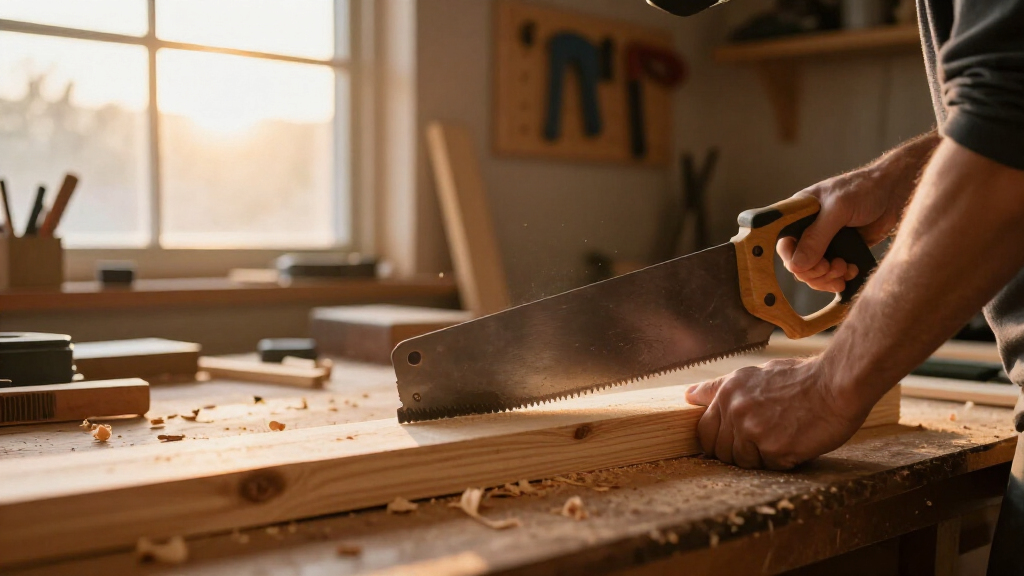

Shopping for precision woodworking hand saws mostly comes down to one choice: Japanese pull saws, Western push saws, or frame-style coping saws — each cuts differently and suits different joinery work. After comparing 14 popular models, the Jorgensen 10 Inch Double Edge Pull Saw stands out as the best overall pick, offering a replaceable SK5 blade, generous reach for tenons and dovetails, and clean cuts on both rip and crosscut strokes. If you need something cheaper and more portable, the WORKPRO 6-Inch Folding Pull Saw delivers surprising accuracy at a fraction of the price, while the SUIZAN 5-Inch Flush Cut Saw is the tool to beat for trimming dowels and protruding plugs without marring your work. The main tradeoffs you’ll face are blade length versus control, replaceable versus disposable blades, and fine-tooth smoothness versus cutting speed. Read on for the full breakdown and which saw fits your workflow.

Get business pricing on tools and workshop supplies
- Business-only prices and quantity discounts
- Tax-exempt purchasing
- Multiple users, one account, clear invoices
Complete the kit


Key Takeaways
- Japanese double-edge pull saws dominated this comparison because the pull stroke keeps thin SK5 blades under tension, producing straighter, cleaner kerfs than the single Western-style 14-inch option in the lineup.
- Jorgensen earned three of the top five spots thanks to consistent SK5 steel, replaceable blades, and thoughtful handles — the 10-inch model is the only mid-size pick that balances fine joinery control with enough reach for larger work.
- The sub-$20 category is crowded with near-identical 6-inch ryoba clones (RUITOOL, the generic 14/17 TPI models); blade retention and handle comfort, not specs, are what separate them.
- Coping saws (IRWIN ProTouch, KATA) only make sense for curved work — for straight precision joinery they are slower and less accurate than any pull saw in this roundup.
- Flush-cut specialists (SUIZAN 5-inch, Jorgensen 5-inch, RUITOOL flush side) are narrow-purpose tools: buy one as a second saw, not your only saw, unless you exclusively trim dowels and plugs.
| WORKPRO 6” Folding Japanese Hand Saw, Double-Edged Pull Saw with 11&17 TPI |  | Best Portable Pick | Blade Length: 6 inches | TPI: 11 and 17 | Blade Thickness: 0.02 inches | VIEW LATEST PRICE | See Our Full Breakdown |
| IRWIN Tools ProTouch Coping Saw |  | Best for Curved and Intricate Cuts | Blade Type: High-speed steel | Frame Depth: 5.5 inches | Blade Length: 6.5 inches | VIEW LATEST PRICE | See Our Full Breakdown |
| Jorgensen Ryoba 7 Inch Double Edge Japanese Pull Saw |  | Best Overall | Blade Length: 7 inches | Teeth per Inch (TPI): 18 TPI and 7-12 TPI | Blade Material: SK5 Japanese steel | VIEW LATEST PRICE | See Our Full Breakdown |
| RUITOOL Japanese Hand Saw 6 Inch Double Edge Ryoba Pull Saw for Flush Cuts |  | Best Value | Blade Length: 6 inches | Blade Material: SK5 steel | Handle Material: Beechwood | VIEW LATEST PRICE | See Our Full Breakdown |
| 14-inch Pro Hand Saw, 11 TPI Fine-Cut with Soft-Grip Handle for Wood, Drywall, Plastic Pipes |  | Best for General Jobsite Work | Size: 14 inches | Blade Material: Alloy steel (heat-treated) | Blade Length: 14 inches | VIEW LATEST PRICE | See Our Full Breakdown |
| Japanese Hand Saw, 6-Inch Double-Edge Pull Saw, SK5 Blade, 14/17 TPI |  | Best Flush-Cut Detail Saw | Blade Length: 6 inches | Teeth per Inch: 14/17 TPI double edge | Blade Material: SK5 steel | VIEW LATEST PRICE | See Our Full Breakdown |
| Japanese Pull Saw 6 Inch, SK5 Double Edge 14/17 TPI for Woodworking |  | Best Budget Starter Pull Saw | Blade Length: 6 inches | Teeth per Inch: 14/17 TPI double edge | Blade Material: SK5 steel | VIEW LATEST PRICE | See Our Full Breakdown |
| KATA 6.5″ Coping Saw with 6 Blades for Precise Woodworking & Crafts |  | Best for Curves and Scrollwork | Blade Size: 6.5 inches | Blades Included: 6 replaceable blades | Blade Types: 14T, 18T, 24T | VIEW LATEST PRICE | See Our Full Breakdown |
| Jorgensen Japanese Pull Saw, 10 Inch Double Edge Hand Saw with Replaceable SK5 Blade |  | Best Overall | Blade Length: 10 inches | Teeth per Inch: 7-12 TPI coarse / 18 TPI fine | Blade Material: SK5 Japanese steel | VIEW LATEST PRICE | See Our Full Breakdown |
| Jorgensen Japanese Pull Saw, 7.25″ Hand Saw with Soft Grip Handle for Fine Woodworking |  | Best Mid-Size Fine-Cut Saw | Blade Length: 7.25 inches | Teeth per Inch: 17 TPI triple-cut | Blade Material: SK5 steel | VIEW LATEST PRICE | See Our Full Breakdown |
| SUIZAN 5-inch Japanese Flush Cut Pull Saw |  | Best Japanese Craftsmanship | Blade Length: 5 inches | Blade Material: Japanese steel | Blade Type: Pull saw (flush cut) | VIEW LATEST PRICE | See Our Full Breakdown |
| Frocopo 6-Inch Hand Saw for Woodworking and Garden Trimming | 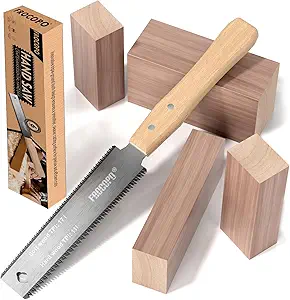 | Best Dual-Use Pick | Blade Length: 6 inches | Teeth per Inch: 11/17 TPI | Blade Material: SK5 steel | VIEW LATEST PRICE | See Our Full Breakdown |
| GARTOL 2-Piece Japanese Hand Saw Set for Wood Cutting |  | Best Starter Set | Blade Length: 6 inches | Blade Material: SK5 steel | Number of Pieces: 2 | VIEW LATEST PRICE | See Our Full Breakdown |
| Jorgensen 5 Inch Double Edge Flush Cut Saw with SK5 Steel Blade |  | Best Long-Term Value Flush Saw | Blade Length: 5 inches | Teeth per Inch: 18 TPI (hardwood) / 25 TPI (softwood) | Blade Material: SK5 carbon steel | VIEW LATEST PRICE | See Our Full Breakdown |
| precision woodworking hand saw | Blade Length | Blade Material | Handle | Teeth per Inch |
|---|---|---|---|---|
| WORKPRO 6” Folding Japanese H | 6 inches | — | Beechwood | — |
| IRWIN Tools ProTouch Coping Sa | 6.5 inches | — | ProTouch ergonomic handle | — |
| Jorgensen Ryoba 7 Inch Double | 7 inches | SK5 Japanese steel | — | — |
| RUITOOL Japanese Hand Saw 6 In | 6 inches | SK5 steel | — | 14/17 TPI |
| 14-inch Pro Hand Saw | 14 inches | Alloy steel (heat-treated) | — | 11 TPI |
| Japanese Hand Saw | 6 inches | SK5 steel | Plastic with soft, non-slip grip | 14/17 TPI double edge |
| Japanese Pull Saw 6 Inch | 6 inches | SK5 steel | Wood | 14/17 TPI double edge |
| KATA 6.5" Coping Saw with 6 Bl | — | — | TPR ergonomic grip | — |
| Jorgensen Japanese Pull Saw | 10 inches | SK5 Japanese steel | Ergonomic, non-slip | 7-12 TPI coarse / 18 TPI fine |
| Jorgensen Japanese Pull Saw | 7.25 inches | SK5 steel | Soft, non-slip ergonomic grip | 17 TPI triple-cut |
| SUIZAN 5-inch Japanese Flush C | 5 inches | Japanese steel | — | — |
| Frocopo 6-Inch Hand Saw for Wo | 6 inches | SK5 steel | Wooden, ergonomic | 11/17 TPI |
| GARTOL 2-Piece Japanese Hand S | 6 inches | SK5 steel | — | — |
| Jorgensen 5 Inch Double Edge F | 5 inches | SK5 carbon steel | — | 18 TPI (hardwood) / 25 TPI (softwood) |
More Details on Our Top Picks
WORKPRO 6” Folding Japanese Hand Saw, Double-Edged Pull Saw with 11&17 TPI
This WORKPRO stands out as the only folding saw in this batch, and that changes the buying math: at 6.5 inches folded and 0.33 lbs, it slips into a tool belt or camping kit where a fixed-blade saw like the RUITOOL 6-inch simply can’t go. The double-edged SK5 blade with 11 and 17 TPI covers both rip and crosscut work, so you’re not locked into one cut type on the trail or at the jobsite. Compared with the Jorgensen Ryoba 7-inch, it trades blade length and replaceability for portability — a fair swap if you value packability over fine joinery. The tradeoff is real, though: the 6-inch blade limits reach on longer cuts, and the beechwood handle, while comfortable, offers less control than a full-length wrapped grip.
Pros:- Folding design protects the blade and makes it genuinely pocketable
- Double-edged SK5 blade handles both crosscuts and rip cuts
- PTFE coating resists corrosion in outdoor and damp conditions
- Very light at 0.33 lbs for extended one-handed use
Cons:- 6-inch blade is too short for larger stock or long rip cuts
- Blade is not replaceable, so the whole tool retires when the teeth wear out
Best for: Woodworkers, campers, and gardeners who need a precision pull saw that travels safely in a bag or belt
Not ideal for: Anyone doing furniture-scale joinery — the short blade can’t handle long rip cuts or wide panels
- Blade Length:6 inches
- TPI:11 and 17
- Blade Thickness:0.02 inches
- Material:SK5 steel with PTFE coating
- Handle:Beechwood
- Weight:0.33 lbs
- Folded Length:6.5 inches
Our verdict“Buy this if you need precision cutting that travels; skip it if your work stays at the bench, where a longer replaceable-blade saw wins.”
IRWIN Tools ProTouch Coping Saw
The IRWIN ProTouch fills a role none of the Japanese pull saws here can: tight curves and interior cutouts. Its 17-pt high-speed steel blade and 5.5-inch frame depth make it the right tool for coping moldings, scrolling patterns, and cutouts that would frustrate a straight ryoba blade like the Jorgensen Ryoba 7-inch. The Flat-Bar frame and DuraSteel pins hold tension well, which matters — a blade that bows mid-curve ruins the workpiece. Compared with the KATA 6.5-inch coping saw elsewhere in this roundup, the IRWIN is the more durable, single-blade workhorse rather than a multi-blade craft kit. The tradeoff is specialization: it cuts slowly, the 6.5-inch blade limits reach, and it’s useless for long straight rip cuts where a ryoba or the 14-inch fine-cut saw dominates.
Pros:- Flat-Bar frame with DuraSteel pins maintains blade tension for accurate curves
- Ergonomic ProTouch handle reduces fatigue during fussy, detailed work
- High-speed steel blades cut efficiently and accept standard replacements
- Deep 5.5-inch throat accommodates thicker stock than most coping saws
Cons:- Slow cutting speed makes it inefficient for straight or long cuts
- Blades are consumables and will need frequent replacement under heavy use
Best for: Trim carpenters and woodworkers who regularly cope moldings or cut curves and interior shapes
Not ideal for: General dimensioning work — straight rip and crosscut jobs belong to a ryoba pull saw
- Blade Type:High-speed steel
- Frame Depth:5.5 inches
- Blade Length:6.5 inches
- Tooth Count:17-pt.
- Handle:ProTouch ergonomic handle
- Frame:Flat-Bar with DuraSteel pins
Our verdict“This is a specialist’s tool — add it alongside a straight saw, not instead of one, if your work involves curves.”
Jorgensen Ryoba 7 Inch Double Edge Japanese Pull Saw
This is the pick I’d point most woodworkers toward first. The Jorgensen Ryoba combines the two things that separate serious saws from commodity ones: replaceable SK5 blades and a genuinely versatile double-edge geometry — 18 TPI on one side for clean crosscuts, 7-12 TPI on the other for ripping. Against the WORKPRO 6-inch, it gives up foldability but gains a longer cut stroke and a refreshable blade system, which means the tool outlives its teeth. Compared with the RUITOOL 6-inch, the 7-inch blade noticeably improves reach for joinery like tenons and dovetails. It’s not flawless: the thin blade demands a light touch and some technique, and beginners who push too hard will wander off the line. Replacement blades are also an ongoing expense, though cheaper than replacing the whole saw.
Pros:- Replaceable SK5 blades extend the tool’s life indefinitely
- Dual tooth patterns (18 TPI / 7-12 TPI) cover crosscut and rip work in one tool
- 7-inch blade offers better reach than 6-inch competitors
- Ergonomic beech handle supports the pull-stroke technique properly
Cons:- Requires technique — the blade wanders if you force it
- Replacement blades add ongoing cost over the tool’s life
Best for: Intermediate woodworkers who want one saw for both crosscuts and rip cuts in furniture-scale joinery
Not ideal for: Complete beginners who want a forgiving tool — thin blades punish heavy-handed technique
- Blade Length:7 inches
- Teeth per Inch (TPI):18 TPI and 7-12 TPI
- Blade Material:SK5 Japanese steel
- Handle Material:European beech wood
- Blade Type:Double edge
- Replaceable Blade:Yes
Our verdict“If you’re buying one precision saw for real woodworking, this replaceable-blade ryoba is the strongest all-around choice.”
RUITOOL Japanese Hand Saw 6 Inch Double Edge Ryoba Pull Saw for Flush Cuts
For the price of a couple of replacement Jorgensen blades, the RUITOOL delivers a complete double-edge SK5 saw with 14/17 TPI teeth tuned for flush and finish cuts — the kind of work that trims dowels and plugs flush without marring the surface. Against the Jorgensen Ryoba 7-inch, it costs noticeably less but gives up blade replaceability, so when the teeth dull, the tool is done. Compared with the WORKPRO 6-inch, the RUITOOL’s slightly finer 17 TPI edge produces cleaner finish surfaces, though it lacks the folding protection that makes the WORKPRO travel-friendly. The lifetime warranty softens the no-replacement-blade problem somewhat. It’s also a wood-only tool: drywall, plastic, and metal will ruin the teeth quickly, so keep it out of the general renovation bucket.
Pros:- Very low price for a genuine SK5 double-edge blade
- 14/17 TPI configuration excels at flush and finish cuts
- Lifetime warranty is unusual at this price point
- Light 0.11 kg body reduces fatigue on delicate trimming
Cons:- Blade is not replaceable — the saw is disposable once dulled
- No storage case, so the fine teeth are exposed in a drawer or bag
Best for: Budget-conscious hobbyists who want clean flush cuts and fine woodworking capability at a low entry price
Not ideal for: Mixed-material DIYers — this saw is wood-only and will dull fast on anything else
- Blade Length:6 inches
- Blade Material:SK5 steel
- Handle Material:Beechwood
- Teeth per Inch:14/17 TPI
- Weight:0.11 kg
- Dimensions:12.2″L x 1.77″W x 0.59″H
- Surface Recommendation:Wood
- Warranty:Lifetime
Our verdict“The smart buy if you want precision flush-cut performance cheap, as long as you accept it’s wood-only and not refreshable.”
14-inch Pro Hand Saw, 11 TPI Fine-Cut with Soft-Grip Handle for Wood, Drywall, Plastic Pipes
Everything else in this batch is a pull saw; this is the push-stroke Western-style workhorse, and that’s exactly why it earns a slot. The 14-inch blade and deep gullets clear chips fast, letting it cut through dimensional lumber, drywall, and even plastic pipe at speeds no 6-inch ryoba can match. Where the Jorgensen Ryoba 7-inch finishes a cut cleaner, this saw finishes it sooner. The heat-treated alloy steel blade holds up to rougher jobsite abuse, and the TPR handle grips well with gloves on. The tradeoffs follow from its nature: 11 TPI leaves a coarser surface than the 17-18 TPI edges on the Japanese saws, so it’s not the tool for dovetails, and the plastic handle will degrade faster than a beech grip under daily heavy use.
Pros:- 14-inch blade with deep gullets cuts lumber far faster than compact pull saws
- Handles wood, drywall, and plastic pipe in one tool
- Heat-treated alloy steel survives jobsite abuse
- Non-slip TPR handle works well with gloves
Cons:- 11 TPI finish is too coarse for fine joinery or flush work
- Push-stroke design is more prone to blade wander than Japanese pull saws
Best for: Contractors and DIYers who need one fast-cutting saw for mixed materials around a renovation site
Not ideal for: Fine furniture makers — 11 TPI leaves a rougher surface than the pull saws built for joinery
- Size:14 inches
- Blade Material:Alloy steel (heat-treated)
- Blade Length:14 inches
- Teeth per Inch:11 TPI
- Handle Material:Thermoplastic Rubber
- Weight:12 ounces
- Blade Thickness:0.9 mm
- User Guide:Included
Our verdict“Choose this when speed and material variety matter more than a polished cut — keep a pull saw for the fine stuff.”
Japanese Hand Saw, 6-Inch Double-Edge Pull Saw, SK5 Blade, 14/17 TPI
Among the crowded field of 6-inch pull saws in this lineup, this one earns its place with a genuinely flexible SK5 blade that lies nearly flat against a surface — the trait that separates a true flush-cut tool from a general trimmer. Where the RUITOOL 6-Inch Double Edge prioritizes a stiffer ryoba-style body, this model leans into thin, springy steel that trims dowels and plugs flush without scarring surrounding wood. The dual 14/17 TPI edges cover both crosscut and fine work, and the non-slip soft grip keeps control steady during delicate passes. The tradeoff is fragility: that flexibility means the blade can wander or kink if a beginner pushes instead of pulls. Compared with the Jorgensen 7.25-Inch, it gives up raw reach but gains access inside tight joinery and corners.
Pros:- Flexible blade flattens against surfaces for true flush cuts
- Dual 14/17 TPI edges handle both crosscuts and fine trimming
- Featherweight 0.11 kg body enables one-handed precision
- Non-slip soft grip keeps control during delicate passes
Cons:- Flexible blade can kink or wander without proper pull-cut technique
- 6-inch reach limits it to small projects and detail work
Best for: Woodworkers doing furniture repair and joinery who need to trim dowels and plugs flush in tight spots
Not ideal for: Beginners who haven’t yet learned pull-cut technique — the flexible blade punishes pushing and forcing
- Blade Length:6 inches
- Teeth per Inch:14/17 TPI double edge
- Blade Material:SK5 steel
- Handle:Plastic with soft, non-slip grip
- Weight:0.11 kg
- Total Teeth:168
- Special Features:Flexible blade, flush cut capable
- Intended Surface:Wood
Our verdict“This is the pick for detail-oriented woodworkers who need clean flush cuts in confined spaces and already know how to let a pull saw do the work.”
Japanese Pull Saw 6 Inch, SK5 Double Edge 14/17 TPI for Woodworking
Spec-for-spec, this saw mirrors the 6-Inch Double-Edge Pull Saw (B0DZ6Z2YK8) — same SK5 steel, same 14/17 TPI edges — but its wooden handle changes the character entirely. Wood absorbs vibration differently than plastic, giving a warmer, more traditional feel that many hobbyists prefer, and it typically lands at a friendlier price. This option makes the most sense as a first pull saw: the pull-cut design is forgiving of imperfect technique, and mistakes cost less here than on a premium tool. Compared with the Jorgensen 10-Inch, it lacks replaceable blades, so when the edge dulls, the whole saw is done — the hidden cost of the low entry price. The 17 TPI side produces surprisingly clean trim cuts on dowels and small stock for a tool at this level.
Pros:- Low-cost entry point into pull-cut woodworking
- Wooden handle offers a comfortable, traditional feel
- Dual 14/17 TPI edges deliver versatile fine and medium cuts
- Compact size suits dowel trimming and small furniture projects
Cons:- No replaceable blade — the tool is finished when the steel dulls
- Demands some skill to steer accurately; not for heavy-duty stock removal
Best for: DIYers and hobbyists buying their first Japanese pull saw without wanting to commit much money
Not ideal for: Anyone planning regular or heavy use — the fixed blade means the saw is disposable once dulled
- Blade Length:6 inches
- Teeth per Inch:14/17 TPI double edge
- Blade Material:SK5 steel
- Handle:Wood
- Cut Type:Pull-cut, double edge
- Intended Use:Trimming, dowels, furniture projects
Our verdict“A sensible low-risk first pull saw for hobbyists, as long as you accept it’s a starter tool rather than a lifetime one.”
KATA 6.5″ Coping Saw with 6 Blades for Precise Woodworking & Crafts
A coping saw solves a problem none of the straight-bladed pull saws in this roundup can touch: tight curves and scrollwork. While the SUIZAN 5-Inch Flush Cut Saw and other ryoba-style tools excel at straight lines, the KATA’s pinned blade turns on a dime, making it the right tool for cabriole leg outlines, coped moldings, and craft patterns. The high-tension steel frame is what separates it from cheaper coping saws — a taut blade tracks the line instead of bowing mid-cut. Six replaceable blades in 14T, 18T, and 24T let you match tooth count to material thickness, a versatility the fixed-blade 6-Inch Japanese Pull Saw (B0GBXX27PS) simply can’t offer. The tradeoff: blade changes take time, cuts are slower than a pull saw’s, and the tool is strictly for soft materials — hard metal will wreck blades fast.
Pros:- Turns tight curves and intricate scroll cuts impossible for straight saws
- Six replaceable blades spanning 14T, 18T, and 24T for material matching
- High-tension frame keeps the blade tracking true
- Ergonomic TPR handle supports long sessions at the bench
Cons:- Noticeably slower cutting than Japanese pull saws on straight work
- Blade swaps interrupt workflow and can be fiddly
- Restricted to wood, plastic, and soft metals only
Best for: Crafters and woodworkers shaping tight curves, coped joints, and scroll patterns in wood or plastic
Not ideal for: Builders who mainly need fast straight cuts — a ryoba pull saw will out-cut this on straight lines every time
- Blade Size:6.5 inches
- Blades Included:6 replaceable blades
- Blade Types:14T, 18T, 24T
- Frame Material:Steel, high-tension
- Handle:TPR ergonomic grip
- Intended Use:Wood, plastic, soft metals
- Cut Style:Curved and scroll cuts
Our verdict“Buy this alongside — not instead of — a pull saw if your projects involve curves, coped trim, or craft patterns.”
Jorgensen Japanese Pull Saw, 10 Inch Double Edge Hand Saw with Replaceable SK5 Blade
This is the most complete package in the roundup. The 10-inch blade brings real stock-removal capacity that the 6-inch saws can’t match, while the 7-12 TPI coarse / 18 TPI fine double edge covers ripping, crosscutting, and finish work with one tool — a genuinely broad range for a hand saw at this price. The standout feature versus the 6-Inch Japanese Pull Saw (B0GBXX27PS) is the replaceable SK5 blade: when teeth dull, you swap steel instead of buying a new saw, which changes the long-term economics completely. Compared with the Jorgensen 7.25-Inch, it trades a little maneuverability for reach and versatility. The honest downside is that a longer blade amplifies technique errors — an uneven pull stroke wanders more here than on a short saw, and blade changes take some wrestling the first time.
Pros:- Coarse and fine double edge handles rip, cross, and finish cuts in one tool
- Replaceable SK5 blade extends the saw’s working life indefinitely
- 10-inch reach covers real joinery and stock breakdown tasks
- Ergonomic non-slip handle and light weight reduce fatigue
Cons:- Longer blade magnifies technique flaws and wanders on uneven strokes
- Blade replacement takes effort compared with quick-change designs
Best for: Woodworkers who want one versatile hand saw for joinery, rip cuts, crosscuts, and general bench work with long-term blade economy
Not ideal for: Detail work in tight corners — the 10-inch blade is overkill where the 6-inch flush saws shine
- Blade Length:10 inches
- Teeth per Inch:7-12 TPI coarse / 18 TPI fine
- Blade Material:SK5 Japanese steel
- Replaceable Blade:Yes
- Handle:Ergonomic, non-slip
- Cut Types:Rip and crosscut, double edge
- Weight Class:Lightweight, easy to maneuver
Our verdict“The most versatile and economical long-term choice — the one saw to buy if you’re only buying one.”
Jorgensen Japanese Pull Saw, 7.25″ Hand Saw with Soft Grip Handle for Fine Woodworking
Sitting neatly between the 6-inch detail saws and the Jorgensen 10-Inch flagship, this 7.25-inch model finds a sweet spot for fine, controlled cutting. Its 17 TPI triple-cut teeth leave a cleaner surface than coarser blades, and the geometry slices through bamboo and PVC pipe — tasks most wood-focused saws handle poorly. The one-handed controllability is its defining trait: it’s light and balanced enough for freehand precision where the 10-inch model feels unwieldy. Compared with the 6-Inch Double-Edge Pull Saw (B0DZ6Z2YK8), it offers more reach and a single-purpose fine edge rather than dual edges, making it more focused but less versatile. The real limitation is material range — it’s tuned for softwood, and pushing it through dense hardwood risks bending the thin blade.
Pros:- 17 TPI triple-cut teeth produce exceptionally clean cut surfaces
- Balanced, lightweight body enables precise one-handed control
- Handles mixed materials including bamboo, PVC, and ABS pipe
- Soft non-slip grip minimizes fatigue during detailed work
Cons:- Thin blade bends or damages easily if forced or used on hardwood
- Single fine-pitch edge lacks a coarse option for faster roughing
Best for: Hobbyists and pros doing fine finish cuts, flush trimming, and mixed softwood/PVC work who want more reach than a 6-inch saw
Not ideal for: Hardwood-focused woodworkers — the thin blade is prone to bending under dense stock
- Blade Length:7.25 inches
- Teeth per Inch:17 TPI triple-cut
- Blade Material:SK5 steel
- Handle:Soft, non-slip ergonomic grip
- Applications:Fine woodworking, flush cuts, softwood, bamboo, PVC, ABS
- Control:Lightweight, one-handed operation
Our verdict“The right middle-ground choice for fine finish work and mixed-material cutting when a 6-inch saw feels short and a 10-inch feels clumsy.”
SUIZAN 5-inch Japanese Flush Cut Pull Saw
Among all the pull saws in this lineup, this is the one where provenance actually matters. Made in Japan by master craftsmen, the blade’s Japanese steel delivers the kind of razor-clean flush cuts that cheaper SK5 blades struggle to match, especially on visible joinery where a ragged kerf ruins the work. Compared with the Jorgensen 5-inch flush cut saw, the SUIZAN feels lighter and more nimble in hand, which translates to finer control when trimming dowels or tenons flush. The tradeoff is real, though: the blade is not replaceable, so once the teeth dull, the whole saw is done. At 5 inches, it also has no business anywhere near larger stock. This pick makes the most sense for woodworkers who value cut quality above longevity.
Pros:- Genuine Japanese steel produces exceptionally clean flush cuts
- Lightweight pull-cut action reduces fatigue on delicate trimming
- Handles both hardwood and softwood without tearing out
- Made in Japan by experienced craftsmen with consistent quality control
Cons:- Blade is not replaceable — a dulled tooth means buying a new saw
- Limited to 5 inches, restricting it to small-scale trimming tasks
Best for: Detail-oriented woodworkers who prize the cleanest possible flush cuts on fine joinery and don’t mind replacing the tool eventually
Not ideal for: Budget-conscious buyers or anyone cutting rough stock — the non-replaceable blade and 5-inch length make it a poor workhorse
- Blade Length:5 inches
- Blade Material:Japanese steel
- Blade Type:Pull saw (flush cut)
- Made in:Japan
- Suitable for:Hardwood and softwood
- Replaceable Blade:No
Our verdict“Choose this if flawless flush-cut finish quality is your priority and you accept the tool as semi-disposable.”
Frocopo 6-Inch Hand Saw for Woodworking and Garden Trimming
Most saws in this roundup live entirely in the workshop, but the Frocopo earns its spot by bridging the shop and the garden. Its double-edged SK5 blade pairs coarse teeth for green wood and branches with finer teeth for workshop cuts, something single-purpose options like the SUIZAN 5-inch flush saw can’t touch. At just 2.82 ounces, it’s the lightest saw here, and the ergonomic wooden handle keeps it comfortable during long pruning sessions. Compared with the GARTOL 2-piece set, you give up the dedicated flush-cut saw but gain outdoor versatility. The compromises are worth weighing: no sheath is included, so storing a double-edged blade loose in a toolbox is asking for damaged teeth — and the 6-inch length rules out anything beyond light-duty work.
Pros:- Double-edged blade with 11/17 TPI handles both coarse and fine cuts
- Featherweight 2.82-ounce build minimizes fatigue over long sessions
- SK5 steel holds a sharp edge through mixed wood and green branch cutting
- Ergonomic wooden handle offers a secure, comfortable grip
Cons:- 6-inch blade limits it to light-duty tasks and small stock
- No protective sheath or case included, risking tooth damage in storage
Best for: Homeowners and hobbyists who want one lightweight saw for both occasional woodworking and garden pruning
Not ideal for: Dedicated woodworkers doing fine joinery — the garden-duty focus means less precision than flush-cut specialists
- Blade Length:6 inches
- Teeth per Inch:11/17 TPI
- Blade Material:SK5 steel
- Blade Type:Double-edged, flexible
- Handle:Wooden, ergonomic
- Weight:2.82 ounces
Our verdict“A sensible buy if you split your time between the workbench and the backyard and only want to own one small saw.”
GARTOL 2-Piece Japanese Hand Saw Set for Wood Cutting
If you’re building a hand-tool kit from scratch, buying this pair beats piecing together singles. The set includes both a 6-inch flush cut saw and a double-edged Ryoba, covering the two most common small-saw tasks in one purchase — roughly what buying the SUIZAN flush saw and a separate Ryoba would cost, but bundled. The SK5 blades and wooden handles feel more considered than the Frocopo’s garden-focused design, and the set’s compact footprint makes it easy to store in a small shop or tote to jobsites. The tradeoffs: neither blade is replaceable, so maintenance matters if you want them to last, and the 6-inch size means larger projects are off the table. Compared with the Jorgensen 10-inch pull saw elsewhere in this roundup, this set trades capacity for affordability and variety.
Pros:- Two-saw set covers both flush trimming and general ripping/crosscutting
- SK5 steel blades stay sharp through typical hobbyist projects
- Ergonomic wooden handles give confident grip and control
- Compact and lightweight for easy storage and portability
Cons:- Limited to small-scale woodworking projects only
- Blades require diligent maintenance since neither is designed for heavy abuse
Best for: Beginners and DIYers assembling their first hand-tool kit who want both flush-cut and general cutting capability at one price
Not ideal for: Woodworkers with established collections or those tackling larger stock — the 6-inch blades and duplicate coverage add little
- Blade Length:6 inches
- Blade Material:SK5 steel
- Number of Pieces:2
- Blade Type:Flush cut and double-edged Ryoba
- Handle Material:Wood
- Suitable for:Woodworking, carpentry, and trimming
Our verdict“The smartest entry point for a new woodworker who wants immediate coverage of the two essential small-saw roles without overspending.”
Jorgensen 5 Inch Double Edge Flush Cut Saw with SK5 Steel Blade
Where the SUIZAN 5-inch flush saw is effectively disposable, this Jorgensen solves that problem with a replaceable SK5 blade — the feature that justifies its place here as the smarter long-term buy. Its dual tooth configuration is also more deliberate than most: 18 TPI for hardwoods and 25 TPI for softwoods on opposite edges means you’re always matching tooth count to material rather than compromising. Compared with the GARTOL set’s flush saw, this model’s non-slip synthetic handle offers a surrier grip in sweaty or dusty conditions, though it lacks the warmth of wood. The 5-inch blade still caps it at small trimming work, and the handle isn’t built for levering or heavy pressure. For woodworkers who flush-cut regularly, the economics of swapping blades instead of whole saws add up fast.
Pros:- Replaceable SK5 blade extends the tool’s working life indefinitely
- Purposeful 18/25 TPI dual edges match tooth count to hardwood or softwood
- Ergonomic non-slip handle stays secure during precise finish work
- Durable SK5 steel delivers smooth, clean flush cuts
Cons:- Replacement blades are an ongoing expense with heavy use
- 5-inch blade length restricts it to small projects and tight trimming
Best for: Frequent flush-cutters who want to refresh dulled blades cheaply instead of rebuying complete saws
Not ideal for: Occasional users who may never wear out the original blade — the replaceable system adds cost they won’t recoup
- Blade Length:5 inches
- Teeth per Inch:18 TPI (hardwood) / 25 TPI (softwood)
- Blade Material:SK5 carbon steel
- Blade Type:Double-edged flush cut
- Handle Material:Plastic/rubber, non-slip
- Number of Teeth:42
- Weight:121 g
Our verdict“The flush-cut saw to buy if you trim dowels and tenons often enough that a replaceable blade saves real money over time.”
How We Picked
I evaluated every saw against the same four criteria. Cut accuracy came first: tooth geometry, blade thickness, and whether the saw tracks straight through a line without wandering. Build quality and blade economics came second — SK5 steel is the class standard, but saws with replaceable blades score higher than ones you discard when dull. Ergonomics mattered too: handle shape, weight balance, and how the saw feels during long joinery sessions. Finally, I weighed value, comparing price against cut quality and expected blade life.
The ranking rewards versatility without penalizing specialists. Full-size ryoba saws that handle both ripping and crosscutting placed highest because most woodworkers need one saw to do many jobs. Compact and flush-cut models ranked on how well they perform their narrower mission, and the coping saws ranked lower for general precision work — not because they are bad tools, but because they solve a different problem than straight, splinter-free joinery cuts.
| precision woodworking hand saw | Blade Material |
|---|---|
| WORKPRO 6” Folding Japanese H | — |
| IRWIN Tools ProTouch Coping Sa | — |
| Jorgensen Ryoba 7 Inch Double | SK5 Japanese steel |
| RUITOOL Japanese Hand Saw 6 In | SK5 steel |
| 14-inch Pro Hand Saw | Alloy steel (heat-treated) |
| Japanese Hand Saw | SK5 steel |
| Japanese Pull Saw 6 Inch | SK5 steel |
| KATA 6.5" Coping Saw with 6 Bl | — |
| Jorgensen Japanese Pull Saw | SK5 Japanese steel |
| Jorgensen Japanese Pull Saw | SK5 steel |
| SUIZAN 5-inch Japanese Flush C | Japanese steel |
| Frocopo 6-Inch Hand Saw for Wo | SK5 steel |
| GARTOL 2-Piece Japanese Hand S | SK5 steel |
| Jorgensen 5 Inch Double Edge F | SK5 carbon steel |
Factors to Consider When Choosing Precision Woodworking Hand Saws
Before choosing a specific model, it helps to understand what actually drives precision in a hand saw. The factors below shaped the rankings above, and they will shape your satisfaction with whichever saw you buy.Pull Stroke vs. Push Stroke
Japanese pull saws cut on the pull stroke, which puts the thin blade under tension instead of compression. That is why they can run thinner plates and finer teeth than Western push saws without buckling, and why nearly every saw in this roundup is a pull design. The tradeoff is rhythm: pull saws remove less material per stroke, so thick stock takes longer. Woodworkers trained on Western saws often need a few sessions to stop pushing. If you mostly cut hardwood joinery, the adjustment pays off in cleaner kerfs; if you rip long boards by hand, a push saw may still feel faster.
Blade Length and Plate Thickness
Longer blades cut faster and track straighter on long strokes, but they reduce the fine control needed for small dovetails and flush cuts. That is why the 10-inch Jorgensen ranks above the 6-inch clones for general work while the 5-inch flush saws remain better at their specific jobs. Plate thickness matters just as much: thinner plates (around 0.3–0.5 mm on quality SK5 blades) leave narrower kerfs and less tear-out, but they kink easily if you force the cut or twist the saw. A common beginner mistake is buying the longest blade available, then struggling with wander on small joints. Match blade length to your typical workpiece, not your ambition.
TPI and Tooth Geometry
Teeth per inch directly control the smoothness-versus-speed tradeoff. The 14/17 TPI double-edge configuration common in this category pairs a coarser ripping edge with a finer crosscutting edge, which is a sensible all-around setup. Coping saws run 15–17 TPI for tight curves, and flush-cut saws use very fine teeth because their job is to leave the surrounding surface untouched. Note that higher TPI counts clog faster in green or resinous wood — a fine saw that performs beautifully in kiln-dried hardwood can frustrate you in construction pine. Buy for the wood you actually cut most often.
Replaceable vs. Fixed Blades
Traditional Japanese saws had disposable blades by design: the steel is hardened so finely that sharpening is impractical. Most saws in this roundup follow that model, but only some sell replacement blades easily and cheaply. Before buying, check whether replacements are actually available in your region — a cheap saw becomes expensive if the only option is replacing the whole tool. The Jorgensen models score well here; some budget clones effectively have fixed blades because spares are hard to find. Also set expectations on blade life: SK5 blades typically last months of hobby use, not years.
Handle Comfort and Control
On precision work, the handle is where your accuracy actually lives. Wrapped rattan and wooden handles, like those on the GARTOL set, offer a traditional grip that many find more tactile, while rubberized grips like the Jorgensen soft-touch handles reduce fatigue during long sessions. Cheap molded plastic handles with sharp seams will punish your hand on hour three of a joinery project. Folding designs add portability and protect the blade in a tool bag, but the hinge can introduce a small amount of flex under heavy pressure. If you work primarily at a bench, skip folding; if you move between job sites, it becomes a real advantage.
One Saw or Two?
The biggest strategic mistake in this category is trying to buy a single do-everything saw. A 9–10 inch ryoba covers 80% of precision work, but flush trimming and curved cuts genuinely require different tools — a flexible flush-cut blade and a frame-mounted coping blade cannot be replicated by a generalist saw. That is why the GARTOL two-piece set ranks well despite unremarkable individual specs: it acknowledges the two-saw reality at a bundle price. Budget buyers should plan around this from day one rather than buying one saw and being disappointed when it can’t trim a dowel flush.
Frequently Asked Questions
Is a Japanese pull saw actually better than a Western hand saw for fine woodworking?
For fine joinery, usually yes. A pull stroke keeps the blade in tension, so manufacturers can use thinner plates and finer teeth, which produces narrower kerfs and less tear-out on dovetails and tenons. Western push saws remove material faster and can be resharpened repeatedly, so they still make sense for rough dimensioning and heavy ripping. The tradeoff is real: pull saw blades are effectively disposable because the hardened steel cannot be filed. Woodworkers who own both tend to reach for the pull saw on visible joinery and the push saw on construction work.
What does 14/17 TPI mean on a double-edge saw, and which edge do I use?
Those numbers describe two different tooth counts on the two edges of a ryoba-style blade. The coarser edge (around 14 TPI, often with rip-filed teeth) is for cutting along the grain — tenon cheeks, ripping small stock. The finer edge (17 TPI, crosscut-filed) is for cutting across the grain — dovetails, tenon shoulders, trim work. Using the wrong edge doesn’t ruin the cut, but it either tears fibers or bogs down. A useful habit: mark the handle side of each edge with tape until the choice becomes automatic.
Can a coping saw replace a dovetail saw?
Not really, despite the traditional pairing of the two in dovetail work. A coping saw is for removing the waste between dovetail tails after the saw defines the lines — its thin blade on a frame excels at curves but wanders on long straight cuts because the blade is held only at both ends. A dovetail or fine pull saw establishes the accurate shoulders that actually determine joint fit. If you can only buy one tool first, get the pull saw and cope the waste later; the reverse order will fight you on every joint.
Why do cheap 6-inch Japanese saws all look identical, and does it matter which one I buy?
Many budget 6-inch ryobas come from the same few factories with similar SK5 blades and interchangeable specs, so blade performance rarely differs much between them. What does differ is handle molding quality, how securely the blade locks into the handle, and whether replacement blades exist at all. A loose blade mount translates directly into wandering cuts, which defeats the point of a precision saw. If two clones cost the same, pick the one with the better-documented spare blade supply — that detail tells you the most about long-term ownership.
How do I keep a flush-cut saw from scratching the surrounding surface?
Flush-cut saws have teeth set with no offset (or teeth only on one face), so the blade can ride flat against the surface while cutting protruding dowels and plugs. Scratches usually come from three mistakes: rocking the saw, using a blade with traditional set teeth, or pressing too hard, which flexes the plate into the wood. Use long, light, horizontal strokes and let the fine teeth do the work. On prized visible surfaces, a strip of low-tack tape along the cut line adds cheap insurance without affecting the cut.
Conclusion
For most woodworkers, the Jorgensen 10 Inch Double Edge Pull Saw is the best overall choice — it handles ripping and crosscutting, holds a line well, and has readily available replacement blades. Best value goes to the WORKPRO 6-Inch Folding Pull Saw, which delivers genuine precision at a budget price and doubles as a travel saw. On the premium side, the Jorgensen 7.25 Inch Fine Woodworking Saw offers the most refined feel for dedicated joinery work. Beginners should start with the RUITOOL 6-Inch Ryoba or the GARTOL two-piece set: both teach pull-saw technique cheaply, and the GARTOL bundle covers flush cutting from day one. For specific needs, the SUIZAN 5-Inch Flush Cut Saw is the specialist pick for dowels and plugs, while the KATA 6.5-Inch Coping Saw earns its place for curved work and pattern cutting. Whatever you choose, match the saw to your actual projects — that single decision matters more than any brand name on the blade.
Fall yard work Picks
leaf blowers
As an affiliate, we earn on qualifying purchases.