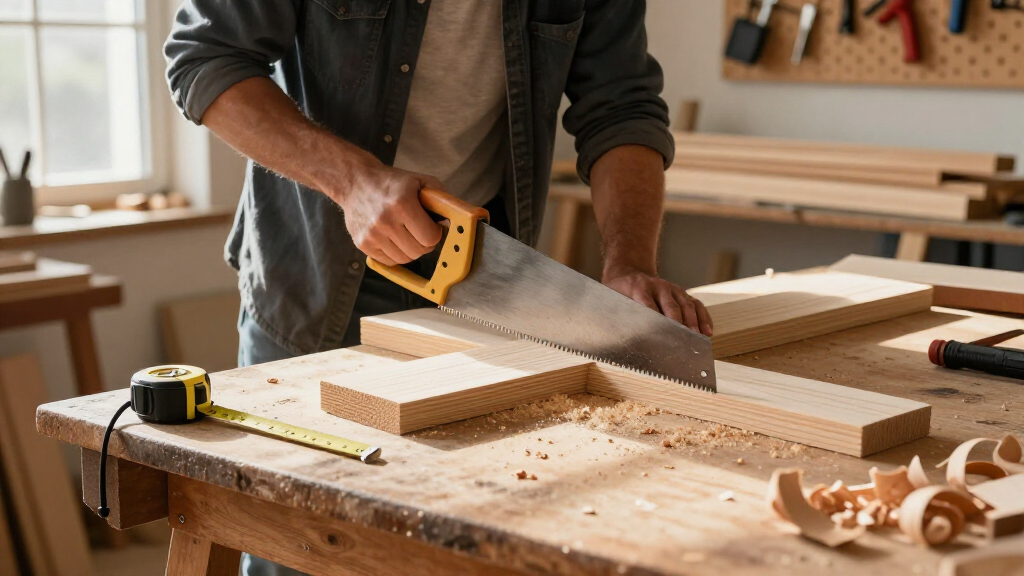

The best hand saw for crosscuts depends on one core tradeoff: speed versus finesse. My top pick, the SUIZAN Ryoba Double Edge 9.5″ Japanese Pull Saw, wins overall because its crosscut side leaves remarkably clean end grain while the rip side adds versatility for the price of one tool. If you cut mostly rough construction lumber, the JORGENSEN 20-Inch with 11 TPI chews through 2x material far faster than any Japanese saw, while the SUIZAN Dozuki is the cleaner-cutting choice for fine joinery. Western saws like the Disston D8 and Spear & Jackson favor push strokes and thicker blades, which some woodworkers find sturdier but less precise. Read on for the full breakdown of where each saw earns its place.

Get business pricing on tools and workshop supplies
- Business-only prices and quantity discounts
- Tax-exempt purchasing
- Multiple users, one account, clear invoices
Complete the kit


Key Takeaways
- Japanese pull saws dominated the precision end of this comparison — three of the top four picks are SUIZAN models, differentiated mainly by blade rigidity and tooth fineness rather than raw quality.
- Blade length turned out to be the biggest practical divider: 14–20 inch Western saws handle construction lumber efficiently, while 7–9.5 inch Japanese blades excel at trim work and joinery but tire you out on thick stock.
- The Disston D8 and Kings County 3-foot one-man saw fill heritage and heavy-timber niches — beautiful and capable, but poor first choices for everyday bench crosscutting.
- Tooth geometry mattered more than brand: triple-ground 11 TPI teeth (HAUTMEC, JORGENSEN) cut noticeably faster but rougher than the fine crosscut teeth on Japanese blades.
- The 7-inch SUIZAN Ryoba is a travel and detail-work tool, not a smaller bargain version of the 9.5-inch — buyers should choose based on stock thickness, not price alone.
| SUIZAN Ryoba Double Edge Japanese Pull Saw 9.5″ for Woodworking | 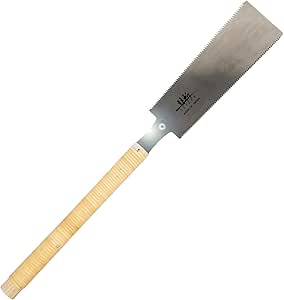 | Best Overall | Blade Length: 9.5 inches (240mm) | Blade Thickness: 0.02 inches (0.5mm) | Kerf Width: 0.03 inches (0.8mm) | VIEW LATEST PRICE | See Our Full Breakdown |
| Japanese Pull Saw – 9.5″ Ryoba Double-Edge Hand Saw with Rip-Cut and Crosscut Teeth |  | Best Premium | Blade Length: 9.5 inches | Type: Ryoba (double-edge pull saw) | Teeth: Rip-cut on one side, crosscut on the other | VIEW LATEST PRICE | See Our Full Breakdown |
| SUIZAN Dozuki Dovetail Saw 9.5″ Cross Cut – Japanese Pull Saw Hand Saw |  | Best for Fine Woodworking | Blade Length: 9.5 inches (240mm) | Blade Thickness: 0.012 inches (0.3mm) | TPI: 25 (1.0mm) | VIEW LATEST PRICE | See Our Full Breakdown |
| JORGENSEN 20-Inch Hand Saw with 11 TPI Coarse Blade for Wood Cutting |  | Best for Fast Rough Cuts | Blade Length: 20 inches | Teeth Per Inch: 11 TPI | Blade Thickness: 0.85 mm | VIEW LATEST PRICE | See Our Full Breakdown |
| Kings County Tools 3ft One-Man Crosscut Hand Saw for Wood Cutting |  | Best for Logs and Firewood | Blade Length: 36 inches | Blade Material: Stainless steel | Blade Thickness: 1.5mm | VIEW LATEST PRICE | See Our Full Breakdown |
| HAUTMEC 14 Inch Hand Saw for Wood Cutting, 11 TPI Triple-Ground Teeth Crosscut Saw |  | Best Compact Crosscut Saw | Blade Length: 14 inches (350mm) | Teeth Per Inch: 11 TPI | Tooth Type: Triple-ground | VIEW LATEST PRICE | See Our Full Breakdown |
| Disston D8 26″ Cross Cut Hand Saw with Walnut Handle |  | Best Premium Traditional Saw | Blade Length: 26 inches | Teeth: 10 TPI | Blade Material: High-speed steel | VIEW LATEST PRICE | See Our Full Breakdown |
| Spear & Jackson 22 inch Skew Back Handsaw, 10 PPI |  | Best Value Workhorse | Blade Length: 22 inches | Teeth: 10 PPI, universal pattern | Blade Shape: Skew back | VIEW LATEST PRICE | See Our Full Breakdown |
| JORGENSEN 15-Inch Hand Saw, 8 TPI Coarse Blade for Wood Cutting |  | Best for Fast, Rough Cuts | Blade Length: 15 inches | Teeth Per Inch: 8 TPI | Tooth Type: Triple-ground, coarse | VIEW LATEST PRICE | See Our Full Breakdown |
| SUIZAN Ryoba Double Edge Japanese Pull Saw, 7 Inch |  | Best for Precision Joinery | Blade Length: 7 inches (180mm) | Blade Thickness: 0.02 inches (0.5mm) | TPI: 19 (1.35mm) | VIEW LATEST PRICE | See Our Full Breakdown |
| hand saw for crosscut | Blade Length | Blade Material | Handle Material | Blade Thickness |
|---|---|---|---|---|
| SUIZAN Ryoba Double Edge Japan | 9.5 inches (240mm) | Japanese Steel | Wood | 0.02 inches (0.5mm) |
| Japanese Pull Saw | 9.5 inches | High-grade Japanese steel | Solid Wingnut wood with brass components | — |
| SUIZAN Dozuki Dovetail Saw 9.5 | 9.5 inches (240mm) | Japanese steel | — | 0.012 inches (0.3mm) |
| JORGENSEN 20-Inch Hand Saw wit | 20 inches | — | ABS + TPE soft grip | 0.85 mm |
| Kings County Tools 3ft One-Man | 36 inches | Stainless steel | Beechwood | 1.5mm |
| HAUTMEC 14 Inch Hand Saw for W | 14 inches (350mm) | 65Mn high-carbon steel | ABS with TPR rubber | 1.0mm |
| Disston D8 26" Cross Cut Hand | 26 inches | High-speed steel | American Black Walnut | — |
| Spear & Jackson 22 inch Skew B | 22 inches | Carbon steel | Wood (riveted) | — |
| JORGENSEN 15-Inch Hand Saw | 15 inches | SK5 high-carbon steel | Aluminum frame with TPE and ABS grip | — |
| SUIZAN Ryoba Double Edge Japan | 7 inches (180mm) | Japanese steel | — | 0.02 inches (0.5mm) |
More Details on Our Top Picks
SUIZAN Ryoba Double Edge Japanese Pull Saw 9.5″ for Woodworking
This saw earns the top spot because it solves the crosscut problem with the least effort and the cleanest result. The 0.03-inch kerf removes far less material than a Western push saw like the JORGENSEN 20-Inch, which means less muscle per stroke and a noticeably smoother cut face. Having rip teeth on the opposite edge makes it a genuinely two-purpose tool, though that second edge comes at a cost: the blade is slightly thicker than a dedicated fine-tooth saw such as the SUIZAN Dozuki, so crosscut edges are good but not dovetail-grade. The pull-stroke technique feels unusual at first if you grew up on push saws, but most buyers adapt within a few sessions and never go back.
Pros:- Double-edge blade covers both rip and crosscut tasks with one tool
- Thin 0.8mm kerf cuts cleanly with minimal effort
- Lightweight 0.2 kg body reduces fatigue over long sessions
- High-quality Japanese steel holds a razor edge
Cons:- Pull-stroke technique takes adjustment for Western push-saw users
- Handle finish quality is inconsistent, with occasional cosmetic cracks
Best for: Woodworkers who want one accurate, low-effort saw for both crosscutting and occasional rip work
Not ideal for: Anyone needing fast, rough cuts through framing lumber or PVC — the fine teeth and short blade will feel slow compared to a 20-inch Western saw
- Blade Length:9.5 inches (240mm)
- Blade Thickness:0.02 inches (0.5mm)
- Kerf Width:0.03 inches (0.8mm)
- TPI:9 & 15
- Blade Material:Japanese Steel
- Handle Material:Wood
- Weight:0.2 kg
Our verdict“The best all-around crosscut choice for woodworkers who value clean cuts and versatility over raw speed.”
Japanese Pull Saw – 9.5″ Ryoba Double-Edge Hand Saw with Rip-Cut and Crosscut Teeth
Think of this as the dressed-up sibling of the SUIZAN Ryoba: same double-edge ryoba format, same pull-stroke logic, but with a solid Wingnut wood handle and brass fittings that make it as much a pleasure to own as to use. The cutting performance is comparable — thin kerf, effortless tracking, clean crosscut faces — so the real question is whether the upgrade in materials matters to you. For someone who keeps tools on a wall rack and cares about aesthetics, it does. Compared with the SUIZAN Dozuki, its crosscut teeth are coarser, which favors cutting stock to size rather than slicing fine joinery. The thin blade demands respectful handling; levering it mid-cut is the fastest way to a bend.
Pros:- Premium Wingnut handle with brass components built to last
- Thin-kerf pull-stroke blade delivers smooth, accurate cuts
- Dual rip and crosscut edges handle full stock breakdown
- Made in Japan by saw-makers with over a century of heritage
Cons:- Pull-stroke style requires an adjustment period for push-saw users
- Thin blade bends easily if twisted or forced during cuts
Best for: Discerning hobbyists and gift-buyers who want a beautifully finished Japanese saw for stock prep and joinery
Not ideal for: Job-site users who toss tools in a bin — the premium handle and delicate blade won’t survive rough treatment
- Blade Length:9.5 inches
- Type:Ryoba (double-edge pull saw)
- Teeth:Rip-cut on one side, crosscut on the other
- Handle Material:Solid Wingnut wood with brass components
- Blade Material:High-grade Japanese steel
- Cutting Action:Cuts on pull stroke (thin kerf)
- Origin:Made in Japan
Our verdict“A premium take on the ryoba format for woodworkers who want heirloom-grade finishing quality, not just cutting performance.”
SUIZAN Dozuki Dovetail Saw 9.5″ Cross Cut – Japanese Pull Saw Hand Saw
Where the SUIZAN Ryoba is a generalist, this dozuki is a specialist. Its 25 TPI blade and 0.02-inch kerf produce crosscuts so clean they rarely need planing or sanding — exactly what you want for dovetails, tenon shoulders, and trim work. The tradeoff is speed: on thick stock, this saw feels methodical compared to the coarser ryoba, and it is completely outclassed for rough carpentry by the JORGENSEN 20-Inch. The blade is also the thinnest in this lineup at 0.012 inches, which is why the cuts are so fine — and why a heavy hand can kink it. Treat it gently and let the saw do the work, and it rewards you with furniture-grade results.
Pros:- Fine 25 TPI blade produces joinery-grade, splinter-free crosscuts
- Ultra-thin 0.5mm kerf minimizes wasted material and effort
- Featherweight pull-stroke design enables precise control
- Crafted by Japanese master saw-makers
Cons:- 0.012-inch blade bends or breaks easily if forced
- Slower than coarser saws on thick or wide stock
Best for: Fine woodworkers and furniture makers who need glass-smooth crosscuts and joinery-ready surfaces
Not ideal for: DIYers cutting construction lumber or sheet goods — the fine pitch is slow and the delicate blade is overkill for rough work
- Blade Length:9.5 inches (240mm)
- Blade Thickness:0.012 inches (0.3mm)
- TPI:25 (1.0mm)
- Kerf Width:0.02 inches (0.5mm)
- Cut Type:Cross cut
- Blade Material:Japanese steel
- Origin:Made in Japan
Our verdict“The pick for precision woodworkers who prize cut quality above all else and are willing to work at the saw’s pace.”
JORGENSEN 20-Inch Hand Saw with 11 TPI Coarse Blade for Wood Cutting
If the Japanese pull saws in this lineup are scalpels, this is a workhorse. The 20-inch blade and aggressive 11 TPI triple-ground teeth chew through dimensional lumber, plywood, and even PVC at a pace the SUIZAN Ryoba simply cannot match, and the induction-hardened teeth hold their edge through messy job-site work. The 45° and 90° angle guides molded into the handle are a genuinely useful touch for quick, square crosscuts without a square. What you give up is refinement: the coarse pitch leaves visible tooth marks, so furniture parts will need cleanup afterward. Compared with the HAUTMEC 14-Inch, the longer stroke here means fewer strokes per board — better for bigger stock, less nimble in tight spaces.
Pros:- Long 20-inch blade and aggressive teeth make fast work of thick stock
- Induction-hardened triple-ground teeth resist dulling on abrasive materials
- Built-in 45° and 90° cutting guides improve accuracy on quick cuts
- Handles wood, PVC, plywood, and wall panels with one blade
Cons:- Coarse 11 TPI teeth leave rough cut faces unsuitable for show surfaces
- Basic blade guard and cardboard sleeve offer poor long-term storage protection
Best for: DIYers and renovators who need to crosscut framing lumber, plywood, and pipe quickly rather than beautifully
Not ideal for: Fine woodworking — the 11 TPI pitch tears out fibers and leaves rough edges that demand extra finishing
- Blade Length:20 inches
- Teeth Per Inch:11 TPI
- Blade Thickness:0.85 mm
- Blade Coating:Low-friction black coating
- Tooth Type:Triple-ground, induction hardened
- Handle Material:ABS + TPE soft grip
- Applications:Wood, PVC pipe, plywood, wall panels
Our verdict“The right choice when speed and material versatility matter more than a polished cut edge.”
Kings County Tools 3ft One-Man Crosscut Hand Saw for Wood Cutting
This saw occupies a completely different niche than everything else here: it is built for bucking logs, not workshop crosscuts. The 36-inch blade with Great American style teeth and deep self-clearing gullets is designed to eat through wet or dry timber, and the gullets carry sawdust out of the cut so the blade never bogs down — something a workshop saw like the SUIZAN Dozuki would never survive attempting. The screw-on auxiliary handle lets you switch to two-handed pulling for bigger logs, and unlike a chainsaw it is silent, fume-free, and never needs fuel. The catch is sheer size: at nearly 40 inches overall, it is clumsy for boards, transport, and storage. It is a purpose-built tool, and it excels only within that purpose.
Pros:- Pre-sharpened Great American teeth cut aggressively through wet and dry logs
- Deep self-clearing gullets prevent sawdust buildup for faster progress
- Screw-on auxiliary handle enables two-handed leverage on large timber
- Quiet, emissions-free alternative to a chainsaw
Cons:- Nearly 40-inch overall length makes it awkward to store and transport
- Specialized design offers little versatility for general woodworking
Best for: Homesteaders, campers, and property owners who need to buck logs and firewood without a chainsaw
Not ideal for: Woodworkers crosscutting boards — the size, coarse teeth, and aggressive stroke are wrong for bench work
- Blade Length:36 inches
- Blade Material:Stainless steel
- Blade Thickness:1.5mm
- Handle Material:Beechwood
- Number of Teeth:120
- Overall Length:39.75 inches
- Includes:Screw-on auxiliary handle
Our verdict“A dedicated log-bucking saw for outdoor cutting tasks, and overkill for anything done on a workbench.”
HAUTMEC 14 Inch Hand Saw for Wood Cutting, 11 TPI Triple-Ground Teeth Crosscut Saw
Among the full-size saws in this lineup, the HAUTMEC 14-inch stands out as the one that actually fits in a toolbox. Its 1.0mm thick 65Mn blade is noticeably stiffer than the SUIZAN Ryoba’s wafer-thin 0.5mm steel, which means fewer wandering cuts when you’re working without a vise. The 11 TPI triple-ground teeth strike a middle ground: faster than the JORGENSEN 20-inch’s fine pitch on dimensional lumber, yet cleaner than the coarse 8 TPI JORGENSEN 15-inch. Compared with the Disston D8’s 26-inch blade, this saw trades raw cutting speed for control and one-handed manageability. The tradeoff is real, though — fine teeth bog down in thick, wet, or green wood, and the included blade cover is a nice touch most rivals skip.
Pros:- Thick 1.0mm blade resists bending for straighter cuts without a vise
- Triple-ground 11 TPI teeth leave clean edges with minimal tear-out
- Non-slip TPR handle reduces fatigue during longer sessions
- Handles wood, PVC, plastic, branches, and plywood with one blade
Cons:- Fine teeth cut noticeably slower on thick, green, or wet wood
- Crosscut-only design — not suitable for rip cuts along the grain
Best for: DIYers and apartment woodworkers who need a capable crosscut saw that stores easily and handles plywood, PVC, and trim work
Not ideal for: Anyone regularly bucking thick green branches or doing rip cuts — the fine pitch and crosscut-only geometry will frustrate them
- Blade Length:14 inches (350mm)
- Teeth Per Inch:11 TPI
- Tooth Type:Triple-ground
- Blade Thickness:1.0mm
- Blade Material:65Mn high-carbon steel
- Handle Material:ABS with TPR rubber
- Included Accessories:Blade cover
Our verdict“A stiff, compact all-rounder that makes the most sense for DIYers who want clean crosscuts in tight storage situations.”
Disston D8 26″ Cross Cut Hand Saw with Walnut Handle
The Disston D8 is the heritage pick here — a 26-inch professional crosscut saw with a custom carved American Black Walnut handle that no plastic-grip rival in this roundup matches. Its taper-ground high-speed steel blade narrows toward the back, reducing friction and binding on long strokes, which matters when you’re crosscutting wide boards where the Spear & Jackson’s straight-ground blade can drag. At 10 TPI with a full 26 inches of stroke length, it clears material faster per stroke than the shorter HAUTMEC 14-inch, though it demands more physical space and effort. The honest tradeoff: this is a specialist wood crosscutting tool, not a generalist. There’s no PVC or pruning versatility, and it’s a significant investment for occasional users.
Pros:- Custom carved American Black Walnut handle offers classic comfort and styling
- Taper-ground blade reduces friction and binding on long, wide cuts
- Durable high-speed steel blade holds its geometry over time
- 26-inch stroke length clears material efficiently on wide boards
Cons:- Limited to crosscutting wood only — no versatility beyond the workshop
- Large size makes it unwieldy for confined spaces and small jobs
Best for: Serious woodworkers and traditionalists who cut a lot of solid wood across the grain and value heirloom-quality craftsmanship
Not ideal for: Casual DIYers or anyone cutting mixed materials like PVC and plastic — it’s a dedicated wood crosscut saw at a dedicated price
- Blade Length:26 inches
- Teeth:10 TPI
- Blade Material:High-speed steel
- Blade Shape:Rectangular, taper-ground
- Handle Material:American Black Walnut
- Power Source:Manual
Our verdict“The D8 is the choice for woodworkers who want a beautiful, dedicated crosscut saw and are willing to pay for traditional craftsmanship.”
Spear & Jackson 22 inch Skew Back Handsaw, 10 PPI
The Spear & Jackson 22-inch skew back delivers the best cost-to-capability ratio in this lineup. Unlike every hardened-tooth saw here, its resharpenable cross-ground teeth mean a dull blade is a maintenance task, not a replacement — the HAUTMEC and both JORGENSEN models simply get thrown away when their induction-hardened teeth go blunt. Its universal tooth pattern cuts both along and across the grain, something the crosscut-only Disston D8 can’t claim, making it the more practical single-saw workshop. The skew back shape shifts weight toward the handle for better balance and less binding. The catch: resharpening is a skill, and the high carbon steel blade rusts if left in a damp shed untreated.
Pros:- Universal teeth cut along and across the grain for true versatility
- Resharpenable teeth extend blade life indefinitely with basic skills
- Skew back design improves balance and reduces friction
- Riveted wooden handle provides a secure, comfortable grip
Cons:- Requires periodic manual resharpening to maintain cutting performance
- High carbon steel blade rusts without regular oiling and dry storage
Best for: Budget-conscious DIYers and general handymen who want one versatile saw they can maintain for years instead of replacing
Not ideal for: People who never want to sharpen a blade or store tools in humid conditions — this saw will dull and rust on them
- Blade Length:22 inches
- Teeth:10 PPI, universal pattern
- Blade Shape:Skew back
- Blade Material:Carbon steel
- Handle Material:Wood (riveted)
- Weight:0.58 kg
Our verdict“The smartest buy for hands-on DIYers who’ll sharpen a blade rather than buy a new saw every few years.”
JORGENSEN 15-Inch Hand Saw, 8 TPI Coarse Blade for Wood Cutting
When speed matters more than surface finish, the JORGENSEN 15-inch with its 8 TPI coarse blade is the fastest cutter in this batch. Those coarse triple-ground teeth rip through dimensional lumber, pruning jobs, and PVC noticeably quicker than the HAUTMEC’s 11 TPI blade — the tradeoff being visible rough edges that need sanding on finish work. The SK5 high-carbon steel holds an edge well and resists bending, while the Teflon coating keeps the stroke smooth and rust at bay, an advantage over the uncoated Spear & Jackson. Its standout party trick is the built-in 45° and 90° angle guides molded into the handle — no other saw here helps you mark a square line mid-cut. Compared with its 20-inch sibling, this one trades stroke length for maneuverability.
Pros:- Coarse triple-ground teeth remove material faster than finer-pitch rivals
- SK5 high-carbon steel blade resists bending and holds its edge
- Teflon coating reduces friction and protects against rust
- Integrated 45° and 90° angle guides in the handle aid accurate layout
Cons:- Coarse 8 TPI pitch leaves rough edges unsuitable for finish work
- Aggressive bite can be harder to control for beginners on thin stock
Best for: Framers, fence builders, and rough-DIYers who prioritize cutting speed on lumber, branches, and PVC over surface quality
Not ideal for: Finish carpenters and furniture makers — the coarse 8 TPI teeth tear wood fibers and leave edges that need cleanup
- Blade Length:15 inches
- Teeth Per Inch:8 TPI
- Tooth Type:Triple-ground, coarse
- Blade Material:SK5 high-carbon steel
- Blade Coating:Teflon
- Handle Material:Aluminum frame with TPE and ABS grip
- Angle Guides:45° and 90°
Our verdict“The go-to saw when you need rough stock cut down fast and don’t care about tear-out.”
SUIZAN Ryoba Double Edge Japanese Pull Saw, 7 Inch
The SUIZAN 7-inch Ryoba plays a completely different game from the Western push saws here. Its paper-thin 0.5mm Japanese steel blade cuts a kerf barely 0.8mm wide, producing crosscuts so clean they rarely need dressing — a finish level the JORGENSEN 8 TPI can’t approach. Because it cuts on the pull stroke, the blade stays in tension rather than compression, so it needs less muscle and tracks straighter on the crosscut edge. The dual-edge layout gives you rip teeth on one side and crosscut teeth on the other, matching the Spear & Jackson’s versatility in a fraction of the footprint. The compromises are real: the thin blade is fragile and can kink if you twist mid-cut, the pull action demands relearning for push-saw users, and the 7-inch length limits it to smaller stock.
Pros:- Razor-sharp Japanese steel produces exceptionally clean crosscuts
- Dual rip and crosscut edges in one compact tool
- Pull-cut action requires less effort and tracks straighter than push saws
- Ultra-thin 0.8mm kerf minimizes wasted material
Cons:- Thin blade can bend or kink if twisted or used on heavy stock
- Pull-cut technique takes adjustment for Western push-saw users
- Only a 30-day warranty
Best for: Furniture makers and hobbyist woodworkers doing small joints, trim crosscuts, and detail work where surface finish matters most
Not ideal for: Builders rough-cutting framing lumber or branch trimming — the short, delicate blade is wrong for heavy stock and aggressive use
- Blade Length:7 inches (180mm)
- Blade Thickness:0.02 inches (0.5mm)
- TPI:19 (1.35mm)
- Kerf Width:0.03 inches (0.8mm)
- Blade Material:Japanese steel
- Cut Types:Rip and cross cut
- Weight:0.17 kg
- Country of Origin:Japan
Our verdict“The precision specialist for woodworkers who value glass-smooth crosscuts on small work over speed or ruggedness.”
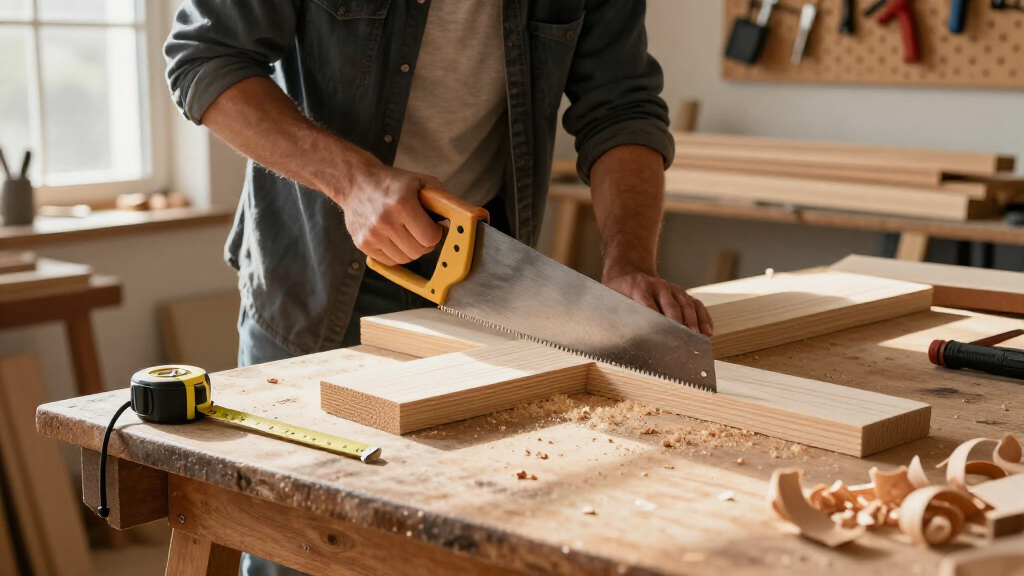
How We Picked
I ranked these saws through a single lens: how well each one crosscuts wood. That meant evaluating cut cleanliness on end grain, speed through typical stock thicknesses, blade stability and tracking, and how forgiving each tool is for a beginner. A saw that leaves glassy end grain but takes forever on a 2×6 was scored differently than one that rips through framing lumber but needs sanding afterward — neither is wrong, they just serve different buyers.
Fit and finish, handle comfort over repeated cuts, and versatility (rip teeth, replaceable blades, joinery capability) broke ties. I also weighed total cost of ownership: Japanese saws with replaceable blades cost less to maintain over time, while hardened-tooth Western saws often can’t be resharpened at all. The ranking favors tools that do their stated job exceptionally well over generalists that do everything adequately.
Factors to Consider When Choosing Best Hand Saw For Crosscuts
Choosing a crosscut saw means matching the tool to your stock, your cutting style, and your patience for cleanup. These are the factors that actually change how your cuts turn out.Pull Stroke vs. Push Stroke
Japanese saws cut on the pull stroke, which lets the blade be thinner and under tension during the cut — the result is a narrower kerf and cleaner entry lines. Western saws cut on the push, requiring a thicker, stiffer blade that tolerates rougher handling and awkward angles. Neither is objectively better, but beginners often get straighter results faster with pull saws because forcing the cut is nearly impossible. If you learned on Western saws, switching takes a few sessions of adjustment before the lighter feel becomes an advantage rather than a frustration.
TPI and Tooth Geometry
Teeth per inch is the single biggest driver of the speed-versus-smoothness tradeoff. Coarse 8–11 TPI blades with triple-ground teeth remove material fast but leave visible tooth marks that need planing or sanding. Fine Japanese crosscut teeth, often 15+ TPI with rip teeth on the opposite edge, produce finished surfaces but bog down in thick, wet lumber. A common mistake is buying one saw for everything — framers should bias coarse, furniture makers fine, and generalists should accept a middle compromise or buy two inexpensive saws instead of one expensive compromise.
Blade Length and Stock Thickness
Blade length determines how much stroke you get per pass and how deep a board you can reasonably crosscut. A 7-inch blade struggles to stay on line through anything wider than a 1×6; a 26-inch saw like the Disston D8 carries momentum through wide boards but is clumsy on a small bench or in tight spaces. As a rule, your blade should be roughly twice the width of the stock you cut most often. Buyers routinely overspend on length they never use while underspending on the tooth quality they feel in every single cut.
Replaceable vs. Fixed Blades
Japanese saws typically use replaceable blades, so a dull or kinked blade costs a fraction of a new saw — but the blades are thin and can kink if you twist mid-cut. Most modern Western saws have induction-hardened teeth that stay sharp for years but cannot be sharpened, making the saw disposable once dull. Traditional resharpenable saws cost more upfront and eventually need a saw vise and files. If you cut occasionally, hardened disposable teeth are genuinely fine; if you saw weekly, factor the replacement cost into the real price of either style.
Handle Comfort and Grip Style
Handle shape affects accuracy more than most buyers expect. Pistol-grip Western handles favor a vertical cutting plane, while straighter Japanese wraps encourage a lower, more controlled wrist angle. Plastic TPE grips are comfortable but can hide the vibration feedback that tells you when your cut is drifting. Wood handles, like the walnut on the Disston D8, feel better for long sessions but need occasional care. Hold the saw orientation in mind before buying: a handle that forces an unnatural elbow position will show up as crooked cuts within weeks.
When to Pay More
Paying more in this category mostly buys finer teeth, better steel, and superior set geometry — differences you’ll notice in tear-out on show faces, not in raw cutting ability. Below that, price differences reflect blade length and branding more than performance. Skip premium spending if you cut construction lumber, because rough framing destroys fine teeth without giving you their benefit. Spend up when you’re doing visible joinery, thin trim, or anything where sanding the end grain afterward would be a hassle. The one place I never recommend saving: a saw whose teeth are too coarse for your thinnest common cut will always disappoint.
Frequently Asked Questions
Is a Japanese pull saw or Western push saw better for crosscuts?
For clean, accurate crosscuts in finish work, a Japanese pull saw like the SUIZAN Ryoba generally wins because the thinner blade under tension produces a narrower kerf and less tear-out. Western push saws like the JORGENSEN or Spear & Jackson are better for fast, aggressive cuts in thick construction lumber and hold up to rougher treatment. Pull saws also tend to be more beginner-friendly since they cut with minimal downward pressure. The right answer depends on your material: fine trim and joinery favor pull, framing favors push, and many woodworkers eventually own one of each.
Why does the SUIZAN Ryoba have two sets of teeth?
The double-edge design gives you crosscut teeth on one side and rip teeth on the other, covering the two fundamental wood-cutting actions in a single tool. The crosscut teeth have a finer, knife-like geometry for slicing across the grain cleanly, while the rip teeth are coarser and chisel-shaped to remove material along the grain efficiently. This makes the Ryoba versatile enough for breaking down stock and cutting joinery without switching tools. The tradeoff is that a single-edge specialist like the Dozuki will always outperform it on the finest crosscut work because its back stiffens a thinner blade.
Can a fine-toothed crosscut saw handle 2x lumber?
It can, but you’ll pay for it in time and arm fatigue. Fine Japanese crosscut teeth load up and overheat in thick softwood, turning a ten-second cut into a minute of steady pulling. For dimensional lumber, a coarse 8–11 TPI Western saw like the JORGENSEN 20-inch or HAUTMEC 14-inch is dramatically faster. A practical approach: use the coarse saw to cut close to your line, then a fine saw or plane to trim to final dimension. If you only buy one saw and mostly cut 2x material, buy coarse — a slightly rough edge is easier to live with than a slow cut.
Do I need the 9.5-inch or 7-inch SUIZAN Ryoba?
Choose based on the width of stock you cut, not on price. The 9.5-inch blade handles boards up to about 8 inches wide comfortably and serves well as a primary bench saw. The 7-inch version is genuinely a detail and portability tool — great for trim, small joinery, and tool bags, but frustrating on wider boards because the short stroke can’t hold a line. Neither is more accurate; the difference is pure capacity. If it’s your only hand saw, take the 9.5-inch without hesitation.
Are classic pattern saws like the Disston D8 worth buying today?
They’re worth it if you value the long-blade momentum, resharpenable traditional teeth, and a handle shape refined over a century of use. The D8’s 26-inch plate carries through wide boards with fewer strokes than any modern panel saw, and its walnut handle is a genuine pleasure for long sessions. What you give up is the replaceable-blade convenience of Japanese saws and the low entry cost of modern hardened-tooth saws. For a woodworker who wants one heirloom-quality general crosscut saw and is willing to maintain it, the D8 makes sense; for occasional users, it’s more saw than the job demands.
Conclusion
Best overall goes to the SUIZAN Ryoba 9.5″ — its crosscut side delivers finish-quality end grain, the rip edge adds versatility, and the replaceable blade keeps long-term costs low. Best value is the HAUTMEC 14-Inch, which brings triple-ground teeth and solid build to a price that undercuts every comparable Western saw here. Best premium belongs to the Disston D8, a resharpenable classic whose 26-inch blade and walnut handle justify the spend for serious bench work. Best for beginners is the SUIZAN Dozuki, because its stiff backed blade makes straight, clean crosscuts almost automatic while teaching good technique.
For specific needs: rough framing and construction lumber point to the JORGENSEN 20-Inch; fine joinery and dovetail work to the Dozuki; heavy timber and green wood to the Kings County 3-foot one-man saw; general-purpose bench crosscutting to the Spear & Jackson 22-inch; and small trim jobs or a travel kit to the SUIZAN Ryoba 7-Inch. Match the blade to your thickest and thinnest common cuts, and you won’t go wrong with any of these picks.
Fall yard work Picks
leaf blowers
As an affiliate, we earn on qualifying purchases.