TL;DR

Get business pricing on tools and workshop supplies
- Business-only prices and quantity discounts
- Tax-exempt purchasing
- Multiple users, one account, clear invoices
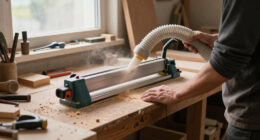
The best stationary routers for fine joinery combine a 2¼- to 3¼-horsepower motor, variable speed, a ½-inch collet, an accurate router lift, a rigid table, and effective dust collection. For most small shops, a precision router table delivers the control needed for dados, rabbets, mortises, raised panels, and repeated edge profiles without the footprint or cost of a spindle shaper.
A router table can turn a nervous, wandering cut into a clean line you can repeat all afternoon. The bit stays fixed, your hands guide the stock, and the workpiece meets a stable fence instead of fighting a handheld base.
This guide explains what you actually need from the best stationary routers for fine joinery: motor size, speed control, lift accuracy, collet capacity, table rigidity, dust collection, and safety. You will also see where a router table beats a spindle shaper, where it does not, and how to choose a setup that fits a small garage shop.
Choose a 2¼- to 3¼-horsepower motor with variable speed for most furniture and cabinet joinery.
Prioritize a rigid table, low-backlash lift, square fence, and ½-inch collet over maximum horsepower alone.
Use dust collection at both the fence and router housing, with airflow that remains strong under real hose restrictions.
Take shallow passes, test on matching scrap, and feed stock against the cutter’s rotation.
Choose a spindle shaper only when heavy tooling, large cutters, or continuous production justify the extra space and cost.
Workshop guide / Precision routing
Best Stationary Routers for Fine Joinery
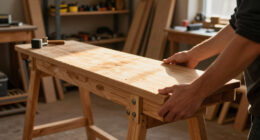
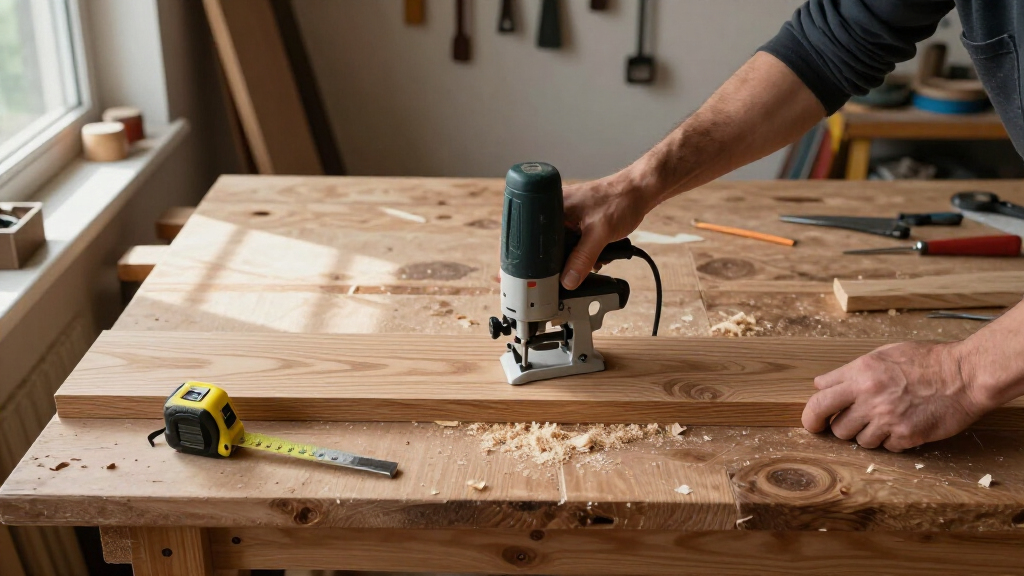
A stationary router turns a nervous, wandering cut into a clean line you can repeat all afternoon. The bit stays fixed, your hands guide the stock, and the workpiece meets a stable fence instead of fighting a handheld base.
“The table is the chassis. A strong motor mounted to a flexible chassis still produces poor handling.”
Key insightHorsepower for most joinery
Critical system components
More stable for large bits
Shallow passes, repeatable cuts
01 / Start with the system
Buy the complete setup, not just the motor.
The best stationary routers for fine joinery combine a powerful motor with the structure that makes that power useful. In a small garage shop, a well-supported mid-range motor usually gives you more usable accuracy than an oversized motor bolted to a thin benchtop.
Power with speed control
Choose 2¼ to 3¼ horsepower, variable speed, soft start, and electronic feedback for dense hardwood and large cutters.
Rigid table and fence
A flat tabletop, square fence, replaceable faces, stable support, and a reachable emergency stop control the cut.
Accurate lift and collet
Low backlash, above-table access, a secure ½-inch collet, and motor compatibility make setup faster and more precise.
Practical rule: Buy enough power for your largest regular cutter, then spend the rest of your budget on the lift, table, fence, bits, and dust collection that control every cut.
02 / What matters most
Accuracy is a stack of small advantages.
A router table can deliver clean dados, rabbets, mortises, raised panels, and repeated edge profiles when each part of the system supports the next.
Remember: When a ¾-inch dado in maple starts tight and finishes loose, the table or fence may be telling you more than the motor.
03 / Match power to the cut
More horsepower helps. It does not replace control.
Fine everyday work
Plenty for drawer grooves, rabbets, pattern work, moderate mortises, and one-off furniture projects.
Reserve for larger work
Better suited to raised panels, thick hardwood, heavy profiles, and long production runs.
Match the cutter
Run small bits faster and large-diameter cutters slower to reduce scorching, vibration, and cutter stress.
Soft start reduces the sudden twist of a large cutter waking up. Electronic feedback helps the motor hold speed under load during long edge profiles.
04 / Choose the right machine
Router table or spindle shaper?
For most hobbyists and professional furniture makers, a high-quality router table provides the best balance of capability, compact size, and cost.
| Feature | Precision router table | Spindle shaper |
|---|---|---|
| Typical work | Cabinet parts, furniture, dados, rabbets, profiles | Production profiles, heavy stock removal |
| Tooling | Common ¼-inch and ½-inch router bits | Larger spindle tooling and cutters |
| Space and cost | Compact and generally more affordable | Heavier, larger, and more expensive |
| Adjustment | Router lift with fine height control | Dedicated spindle height and tilt systems |
| Best fit | Small shops and varied furniture work | Continuous production and large joinery |
05 / Precision checklist
Three adjustment points define the cut.
Eliminate backlash
Fine-height adjustment and a low-backlash mechanism prevent tiny shifts from becoming visible joint errors.
Use the right shank
A ½-inch shank generally resists vibration better. Keep a ¼-inch collet for small decorative bits and light edge work.
Hold a repeatable path
Look for smooth adjustment, replaceable faces, dust collection, enough height, and support for narrow parts.
- Above-table bit-change access
- Motor and lift compatibility
- Fence dust port
- Router-housing dust collection
- Featherboards for narrow stock
- Accessible emergency stop
06 / Repeatable workflow
Set up once. Make the cut calmly.
Measure
Set the bit height and fence from a reference piece.
Test
Use matching scrap before committing to the workpiece.
Secure
Engage the guard, featherboards, and dust collection.
Pass
Take shallow passes and feed against cutter rotation.
Repeat
Keep the setup locked for consistent production cuts.
Disconnect power before changing bits or reaching below the table. Keep hands away from the cutter path, wear eye and hearing protection, and support large workpieces fully.
07 / Final decision
Choose the setup that fits your shop.
Small shop
Prioritize a compact rigid table, 2¼ HP motor, precision lift, ½-inch collet, and strong dust collection.
Furniture maker
Add variable speed, above-table changes, electronic feedback, and a fence that stays square under pressure.
Production floor
Consider a spindle shaper when large cutters, continuous production, heavy stock, and floor space justify it.
Bottom line: The best stationary router for fine joinery is the one built around a rigid table, accurate lift, stable fence, suitable bit, and disciplined workflow.
Choose the Right Router Setup Before You Shop
The best stationary routers for fine joinery are complete systems, not isolated motors. A useful setup combines a 2¼- to 3¼-horsepower motor, a rigid table, a precise lift, a ½-inch collet, a straight fence, and dust collection from both the bit area and fence. That combination gives you repeatable cuts in hardwood, plywood, and solid stock.
Think of the router motor as the engine and the table as the chassis. A strong engine mounted to a flexing chassis still produces poor handling. In a small garage shop, a well-supported mid-range motor usually gives you more usable accuracy than an oversized motor bolted to a thin benchtop.
For example, when you cut a ¾-inch dado in maple, the motor must hold speed while the fence keeps the board square. If the table shifts or the fence bows, the dado may start tight and finish loose. Your shelf will tell you the truth the moment you try to slide it into place.
Stationary routing also changes how you manage risk. The cutter remains exposed above the table, so you need a guard, featherboards, push blocks, correct feed direction, eye protection, hearing protection, and a reachable emergency stop. Keep your hands away from the cutter path, and disconnect power before changing bits or reaching below the table.
stationary router for fine joinery
As an affiliate, we earn on qualifying purchases.
As an affiliate, we earn on qualifying purchases.
Match Motor Power and Speed to Your Joinery
The best stationary routers for fine joinery usually sit between 2¼ and 3¼ horsepower, with variable speed and electronic feedback. That range handles common furniture work, while speed control lets you slow large-diameter cutters and maintain a steady rate in dense hardwood. More horsepower helps, but it does not replace correct feed pressure or sharp tooling.
Small bits can run faster because their cutting edge travels a shorter distance around the circle. Large raised-panel bits need lower speed because the outer edge moves quickly; running one too fast can scorch the wood, shake the machine, or damage the cutter. The router behaves like a stubborn animal here: it tells you when you have asked for more speed than the bit can safely carry.
A 2¼-horsepower motor is plenty for drawer grooves, rabbets, pattern work, and moderate mortises. A 3¼-horsepower motor makes more sense when you routinely cut raised panels, heavy profiles, thick hardwood, or long production runs. For one walnut cabinet, the smaller motor may be the sensible choice; for ten identical doors, the extra reserve feels different.
Soft start also matters. It reduces the sudden twist that occurs when a large cutter wakes up, giving you time to grip the workpiece and confirm your stance. Electronic feedback helps the motor hold speed under load, which reduces burning and leaves a more consistent surface during a long edge profile.
Practical rule: Buy enough power for your largest regular cutter, then spend the rest of your budget on the lift, table, fence, bits, and dust collection that control every cut.
As an affiliate, we earn on qualifying purchases.
Compare a Precision Router Table with a Spindle Shaper
A router table is the better fit for most home-shop fine joinery because it costs less, occupies less space, and accepts widely available bits. A spindle shaper wins when you need continuous production, very large tooling, deeper cuts, or a heavy cast-iron platform that stays planted under demanding work. The right choice depends on workload, floor space, and tooling budget.
| Feature | Precision router table | Spindle shaper |
|---|---|---|
| Typical work | Cabinet parts, furniture, dados, rabbets, profiles, templates | Production profiles, heavy stock removal, large cutters |
| Tooling | Common ¼-inch and ½-inch router bits | Larger spindle tooling and cutters |
| Space and cost | Compact and generally more affordable | Heavier, larger, and more expensive |
| Adjustment | Router lift with fine height control | Dedicated spindle height and tilt systems |
| Best fit | Small shops and varied furniture work | Continuous production and large joinery |
Imagine building six kitchen doors in a weekend. A strong router table can cut the cope-and-stick profiles, raise panels, and trim the edges accurately. If you build hundreds of doors each month, a shaper’s mass, larger table, and tooling options can save time and reduce strain.
A router table also gives you more flexibility when your projects change. You can switch from a straight bit for a groove to a rabbeting bit, pattern bit, or slot cutter without maintaining a separate spindle-tooling inventory. That flexibility matters when your shop serves one dining table this month and a set of inset drawers the next.
precision router lift for woodworking
As an affiliate, we earn on qualifying purchases.
As an affiliate, we earn on qualifying purchases.
Get Cleaner Joinery from the Lift, Collet, and Fence
The best stationary routers for fine joinery depend on three adjustment points: a low-backlash lift, a secure collet, and a fence that stays square under pressure. A router lift lets you change bit height from above the table, while a ½-inch collet reduces flex and vibration with larger cutters. The fence then holds the workpiece on a repeatable path.
Backlash is the tiny amount of movement between turning an adjustment wheel and seeing the bit move. With a sloppy mechanism, you dial in ⅛ inch, lock the lift, and discover that the cutter shifted several thousandths. That may sound small, but a drawer joint or matched door profile can expose the error immediately.
Above-table bit changes save time when the router lives permanently beneath the table. Check whether the lift provides access to the collet or needs an extended collet assembly. Also check motor compatibility before buying; a lift that accepts one motor diameter may not fit another without a different insert or clamp system.
Use a ½-inch shank whenever the bit is available in that size. The larger shank generally resists vibration better and supports bigger cutters, while a ¼-inch collet remains useful for small decorative bits and light edge work. Do not force a ¼-inch bit into a heavy cut just because the motor has enough horsepower.
Your fence should have smooth adjustment, replaceable faces, a dust port, and enough height to support the stock. For narrow parts, add featherboards before you start cutting. A featherboard presses the workpiece against the fence and table like a careful extra hand, but it cannot correct a crooked setup or replace your own attention.
As an affiliate, we earn on qualifying purchases.
Set Up a Stationary Router for Repeatable Cuts
To set up the best stationary routers for fine joinery, build the cut around support, measurement, and shallow passes. Start with a flat table and square fence, install a sharp bit, set the correct speed, and test the cut on scrap from the same stock. This process turns guesswork into a repeatable routine.
- Inspect the bit and collet. Clean resin from the shank, seat the bit fully, then pull it back slightly before tightening so it does not bottom out in the collet.
- Set the table and fence. Check the tabletop for flatness and align the fence faces. Tighten the fence firmly, then confirm that the dust port does not interfere with the workpiece.
- Choose speed and feed direction. Slow large cutters, keep smaller bits faster, and feed the stock against the cutter’s rotation. A climb cut can pull the workpiece forward suddenly, so use it only in controlled, limited situations.
- Make a test cut. Use scrap with the same thickness, species, and grain direction. Measure the result with calipers or a setup block instead of trusting the scale on the lift.
- Take shallow passes. Remove a little material at a time, especially in hardwood or with a large bit. Multiple passes reduce chatter, burning, and tear-out.
- Repeat with consistent pressure. Keep the stock against the fence and table, use featherboards where practical, and support long pieces before the cut begins.
Suppose you need a ¼-inch-deep rabbet for a cabinet back. Take one pass at about ⅛ inch, check the shoulder, then make the final pass. That extra setup minute can save a ruined door, a smoky edge, and the rich smell of overheated maple.
When you cut an exit edge across end grain, place a sacrificial backer against the workpiece if the design allows it. The backer supports the fibers as the bit exits, reducing the ragged bite that often appears at the far corner. Sharp carbide, sound stock support, and modest depth per pass do more for finish quality than brute force.
Control Dust, Vibration, and Safety in a Small Shop
The best stationary routers for fine joinery need dust collection at the fence and beneath the table because one port rarely catches every chip. Aim for a collector and hose arrangement that keeps strong airflow at both points; many small-shop woodworkers work around roughly 400 CFM or more at the machine, though hose length, bends, and port size can reduce real airflow.
Fine routing dust hangs in the air like pale smoke, settles on fresh finish, and finds every shelf in the garage. A sealed cabinet, a properly sized dust port, and a short hose path improve capture. Clean the filter when airflow drops, because a clogged filter turns a capable collector into a noisy box.
Vibration often begins with a dull bit, an unbalanced cutter, a loose insert, or a flexible table. If a once-smooth edge starts showing washboard marks, stop and inspect the setup rather than pushing harder. The machine is giving you information, not asking for more muscle.
Safety depends on the whole station. Use guards, featherboards, push blocks, anti-kickback features, and a large accessible switch or emergency stop. Disconnect power before changing bits, keep loose clothing and cords away from the cutter, and wear eye and hearing protection every time the motor runs.
Never treat a router table like a harmless upside-down handheld router. The bit can remove material quickly, and a short workpiece can move faster than your hands can react.
For electrical changes, added circuits, or permanent shop wiring, shut off power and use a licensed electrician. Follow local code and permit rules; a safer dust hose does not make improvised wiring acceptable.
Spend Your Budget Where Accuracy Actually Improves
The best stationary routers for fine joinery are rarely the most powerful models on the shelf. Put your money first into a rigid table, accurate lift, dependable fence, ½-inch collet, sharp bits, and dust collection. A mid-range motor on a solid station can produce cleaner joints than a premium motor mounted in a weak table.
At a budget level, a compact table and 2¼-horsepower motor can handle dados, rabbets, edge profiles, drawer parts, and template work. You may adjust height from below and accept slower bit changes, but the setup can still produce excellent furniture if the table stays flat and the fence stays square.
In the mid-range, a precision lift, above-table collet access, variable speed, soft start, and a better fence make repeated work easier. This is often the sweet spot for a serious home shop. You spend less time measuring around loose hardware and more time cutting parts that actually fit.
A pro-tier router table or hybrid shaper-style station makes sense when you run large cutters often, work with thick hardwood, or repeat the same profile for hours. The gain comes from mass, adjustment quality, and reduced fatigue. It does not make poor feed direction, dull bits, or unsafe support disappear.
- Buy the lift first if you make frequent height changes or repeated matched cuts.
- Buy dust collection first if your shop fills with chips and airborne dust after every profile.
- Buy better bits first if your current cutters burn, chatter, or leave fuzzy edges.
- Buy more horsepower first when large cutters and dense hardwood dominate your projects.
For fine joinery, the strongest value usually comes from a balanced system. You want the table to resist movement, the fence to guide the stock, the lift to hold height, and the bit to cut cleanly without excessive force.
Use the Right Stationary Router for Each Joinery Job
The best stationary routers for fine joinery cover a wide range of work, but the bit and support method determine the result. A router table excels when you need the cutter fixed and the stock guided: dados, rabbets, grooves, cope-and-stick profiles, raised panels, drawer joints, box joints, inlays, and repeated edge treatments all benefit from that arrangement.
For a row of shelf dados, stops and a fence make every groove land at the same distance from the edge. For a small drawer, a table gives you steady support through a narrow part that would feel awkward under a handheld base. For a raised panel, the table provides a controlled platform, but you still need several shallow passes and a slower speed for the large cutter.
Mortises also work well in a router table when you use stops, a suitable bit, and a setup that keeps the stock square. Deep mortises may call for a dedicated jig or mortising machine, especially when you need many identical parts. Let the work dictate the method instead of forcing every joint through the same station.
Do not expect a router table to replace a table saw. A table saw handles long, straight rips and sheet goods more naturally, while the router table excels at shaped edges, grooves, joinery details, and smaller stock. Together, the machines cover far more ground than either one alone.
Modern spiral, shear-angle, compression, and insert-style carbide bits can improve edge life and surface quality in plywood, composites, and abrasive exotic woods. Still, geometry cannot rescue a dull edge or a rushed feed. Keep a sharp bit for the cut in front of you, and let the cutter’s design match the material.
Frequently Asked Questions
What horsepower is best for a stationary router table?
A motor between 2¼ and 3¼ horsepower suits most fine joinery. Choose the lower end for drawers, dados, rabbets, and light profiling; choose the higher end for raised panels, large cutters, dense hardwood, and repeated production cuts.
Is a router lift necessary for fine joinery?
A lift is not mandatory, but it makes fine height adjustment much easier. Low backlash, above-table adjustment, and reliable locking help you repeat a shoulder or profile without reaching under the table and disturbing your setup.
Should you use a ½-inch or ¼-inch router collet?
Use a ½-inch collet whenever the cutter is available in that size because it generally offers better rigidity and lower vibration. Keep a ¼-inch collet for small decorative bits, light edge work, and cutters designed only for that shank size.
Can a router table replace a table saw?
No. A router table complements a table saw rather than replacing it. Use the router table for profiles, grooves, joinery, and small parts; use the table saw for long straight cuts, ripping, and sheet goods.
How do you prevent tear-out on a router table?
Use a sharp bit, shallow passes, firm support, and a suitable feed direction. A sacrificial backer can support fibers at an exit edge, while a featherboard helps keep the workpiece against the fence. Avoid uncontrolled climb cuts, which can pull the stock forward.
Conclusion
Choose the stationary router system that keeps your workpiece supported, your bit stable, and your adjustments repeatable. For most home shops, that means a rigid router table, accurate lift, variable-speed 2¼- to 3¼-horsepower motor, ½-inch collet, sharp bits, and serious dust collection.
Set it up carefully, make the first cut in scrap, and let the finished joint—not the horsepower label—prove the machine’s worth. A clean dado, tight drawer joint, or crisp raised panel is the sound of a setup doing its job.
Fall Picks
fall essentials
As an affiliate, we earn on qualifying purchases.