
TL;DR

Get business pricing on tools and workshop supplies
- Business-only prices and quantity discounts
- Tax-exempt purchasing
- Multiple users, one account, clear invoices
An Ideal Home contributor says she and her partner are renovating their 1700s house gradually, after moving in during February 2023. She identifies six benefits, including learning how they use the home before redesigning it, managing costs and waste more carefully, and reducing pressure on family life. These are personal observations, not a measured study of renovation outcomes.
Ideal Home contributor Amy Reeves says she and her partner have chosen to renovate their 1700s house gradually, a decision she credits with helping them make more considered design choices and balance work on the home with everyday life. Their project began after they moved in during February 2023 and, according to the report’s timeline, remains unfinished in September 2026.
Reeves describes “slow renovating” as an alternative to quick makeovers and rushed, trend-led changes. In her account, the approach means making decisions carefully, reducing unnecessary consumption and allowing time to understand the house before committing to major alterations. She says the couple lived in the property for nine months before making major changes, and that their eventual plans differed substantially from her first designs.
The report lists six advantages the couple have experienced: a better renovation-life balance, a stronger understanding of how they use the house, fewer rushed purchasing decisions, greater awareness of waste, more time to find suitable materials, and the ability to spread work and spending across a longer period. These are Reeves’s personal assessments; the article does not provide a cost comparison or independent evidence that gradual renovations always save money.
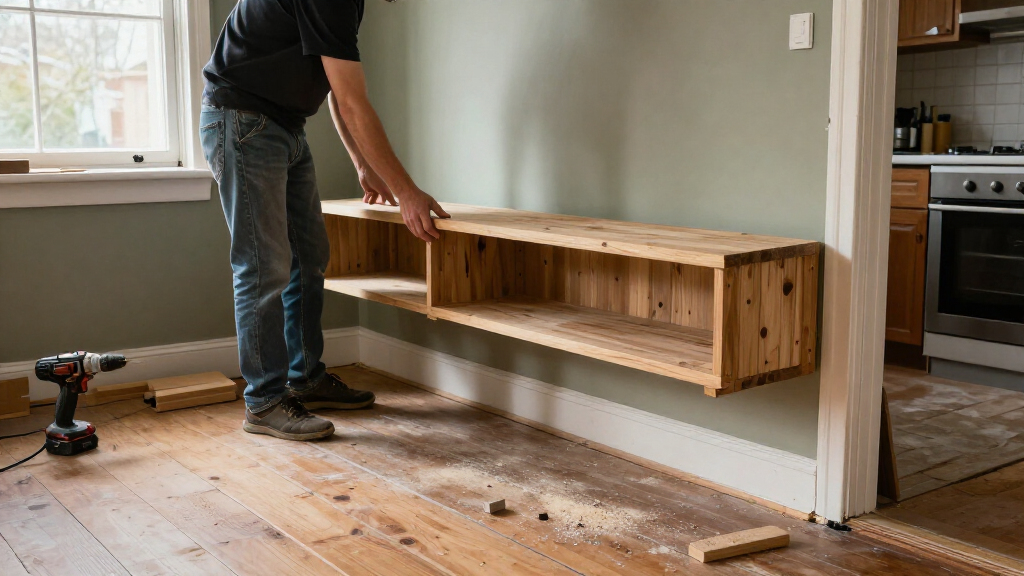
The project has included rewiring and replumbing, changes to the floor plan, a bathroom, new windows and flooring, a roof, a kitchen, a wildlife pond and a bedroom conversion. Reeves says that, by September 2026, two bedrooms, the staircase, a living room and an en suite still needed work. Her account also describes mistakes during the early rush, including ordering too many electrical faceplates and choosing the wrong bathroom tile.
How a Longer Timeline Changes Decisions
The account offers a homeowner’s perspective on the trade-offs between finishing quickly and adapting a property over time. Waiting before changing a layout can give residents a chance to observe daily routes, evening habits and changing natural light, Reeves says. She used that experience to revise her plans and says it made the house more livable for the couple.
A slower schedule can also reduce the pressure to coordinate multiple trades, deliveries and decisions at once. Reeves says the couple are willing to postpone a job if continuing would strain their wellbeing or relationships. The approach is not a guarantee of lower costs or less disruption: a long project can mean living with unfinished rooms, and the report does not quantify either the financial impact or the total time spent on work.
Popular right now

Dyson Ball Animal 3 Upright Vacuum

Ninja NC501 CREAMi XL Deluxe 11-in-1 Ice Cream and Frozen Treat Maker with Two XL Containers

Ninja CREAMi 7-in-1 Ice Cream Maker, NC299AMZ
As an affiliate, we earn on qualifying purchases.
From Move-In to Ongoing Work
Reeves contrasts this house with an earlier renovation that she says lasted about two years from moving in to moving out after a job relocation. For the current project, she and her partner moved into the 1700s property in February 2023. Early work included rewiring, replumbing and a floor-plan remodel between December 2023 and January 2024, with a new roof and windows following later in 2024.
The timeline in the report continues through a kitchen completed in April 2025, a bedroom conversion started in September 2025 and finished in July 2026, and upstairs plastering beginning in September 2026. Reeves says the couple have faced questions from friends and family about when the work will end and whether they will have time to enjoy the finished home. The report presents the project as one household’s experience, not a claim that slow renovation is a standard industry method.
““I wanted to take my time and really learn to live in the process of it all.””
— Amy Reeves, writing for Ideal Home
Costs and Completion Still Unknown
The account does not give a total project budget, final completion date or measured estimate of savings from spreading work out. It also does not establish whether the couple’s mistakes would have been avoided under a different schedule. Cost effects remain unquantified, and the benefits described reflect the authors’ own experience rather than a comparison across renovation projects.
The report’s timeline records work through September 2026, including the start of upstairs plastering, but gives no schedule for the remaining rooms. It is not clear how much work will be done by the couple themselves, how much will be handled by tradespeople, or how the longer timeline affects the home’s overall running and maintenance costs.
Remaining Rooms Await Renovation
According to Reeves’s account, the next phase includes upstairs plastering, while two bedrooms, the staircase, a living room and an en suite remain to be completed. The report does not set a target date for finishing the house. The couple’s stated approach is to continue at a pace that allows them to make decisions as they learn more about the property and their needs.
Key Questions
What does slow renovating mean in this report?
It describes making home improvements gradually, with time to observe how a household uses its space and to make considered choices rather than rushing through a makeover.
When did the renovation begin?
Reeves says she and her partner moved into the 1700s house in February 2023. The timeline in the report records work through September 2026.
What benefits does the homeowner report?
She cites a better balance with everyday life, more informed design decisions, fewer rushed purchases, greater attention to waste, more time to select materials and the ability to spread work over time. These are personal observations, not independently measured results.
Is the house finished?
No. Reeves says that in September 2026, two bedrooms, the staircase, a living room and an en suite still needed work. The report gives no final completion date.
Source: idealhome.co.uk