TL;DR

Get business pricing on tools and workshop supplies
- Business-only prices and quantity discounts
- Tax-exempt purchasing
- Multiple users, one account, clear invoices
A Family Handyman report outlines ten areas homeowners can check for insulation gaps and drafts before winter, with the attic and roof spaces as the top priority. Contractors cited in the report say insulation and air sealing can help limit heat loss, protect vulnerable pipes and reduce strain on heating systems; the report does not quantify savings.
A Family Handyman winterization report recommends checking ten areas of the home for missing insulation or air leaks before winter, starting with the attic and roof spaces. The guidance matters because heat loss can leave rooms colder, expose pipes in unheated areas to freezing conditions and make a heating system work harder, according to contractors quoted in the report.
Roofer Andre Kazimierski, of HomeHero Roofing, says sealing gaps can improve a home’s overall insulation, while adding insulation helps reduce heat transfer through building materials. He recommends inspecting aging roofs for gaps and separating a vented attic from the living space by insulating the attic floor. Fiberglass batts or blown-in insulation are options cited for the floor; rigid foam or spray insulation may be added beneath the roof deck. The report says homeowners who already have attic insulation but still feel drafts should look for gaps or consider another layer.
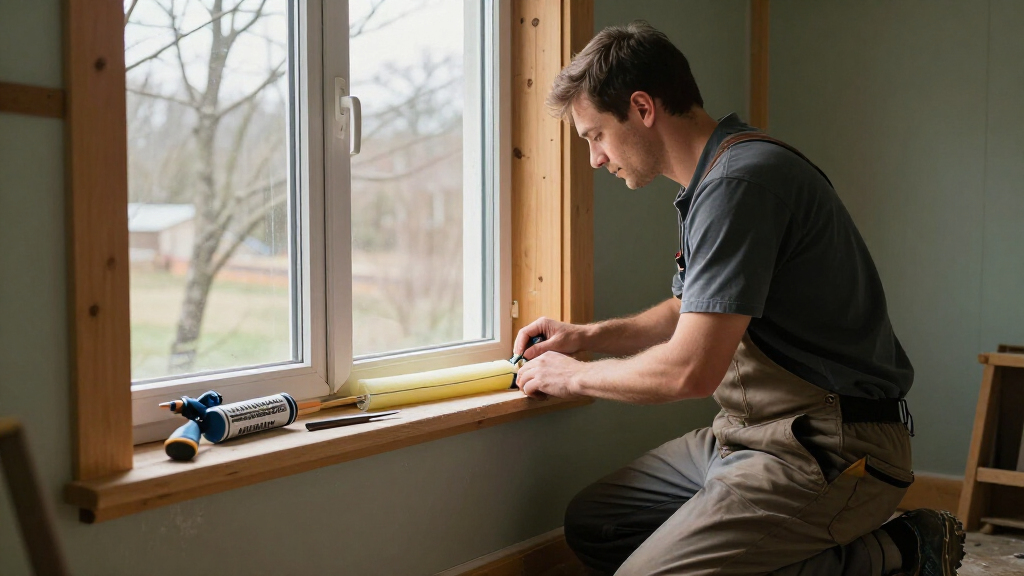
The checklist also covers exterior walls, windows and doors, pipes and plumbing. Contractor Bob Cardwell, of Cardwell HVAC, says blown-in insulation may suit finished walls, while spray foam can seal gaps. The report recommends checking window and door rubber seals and weatherstripping in fall, replacing worn material as needed, and fitting door sweeps. For pipes near exterior walls or in unheated attics, basements or crawl spaces, it suggests foam sleeves in somewhat protected areas; Cardwell recommends electric heat cables where temperatures regularly fall below 32 degrees Fahrenheit.
The remaining areas are basements and crawl spaces, garage walls and ceilings, HVAC ductwork, electrical outlets, and small gaps around pipes or wires. Cardwell recommends closed-cell foam around basement rim joists and expanding foam or caulk at penetrations. A garage sharing a wall with the home may need insulation, while exposed duct leaks can be sealed with mastic or UL-listed foil tape. Foam gaskets can reduce drafts around outlets. These are recommendations in the report; it gives no measured energy savings or cost estimates.
Where Heat Loss Can Start
The checklist links winter preparation to three practical concerns: indoor comfort, frozen pipes and heating demand. Air moving through gaps can undermine insulation, while heat can also pass through walls, ceilings and other building materials. The report’s advice directs attention to less visible pathways, including attic floors, rim joists, duct joints and wall penetrations, alongside obvious areas such as windows and doors.
These recommendations may help homeowners prioritize an inspection, but the report does not establish how much any one measure will lower a household’s energy use or bill. Results depend on the home’s condition, climate, existing insulation and the extent of air leakage. The source presents contractor advice rather than a quantified study comparing winterization methods.
The Checklist’s Seasonal Scope
The report describes fall as a time to inspect seals and identify areas that may need attention before cold weather. It does not say that every home needs all ten areas insulated, or that every measure should be repeated annually. For example, Cardwell says window and door seals should be checked in fall because rubber can shrink or become brittle over time, but replacement depends on their condition.
The source excerpt also includes a brief FAQ response saying spring may be the best time to insulate an attic, according to Cardwell, while another roofer cited in the report urges homeowners to start with the attic because warm air rises. It does not explain the reasoning behind the spring timing or how it fits with the article’s before-winter checklist. That distinction leaves room for homeowners to plan work earlier while still checking for drafts in fall.
““Sealing gaps goes a very long way with improving overall insulation.””
— Andre Kazimierski, HomeHero Roofing
Savings and Home Needs Vary
The report does not provide energy-use data, bill comparisons or project costs, so readers cannot infer a specific return from its checklist. It also does not determine which measures are necessary in a particular home. Existing insulation, building design, local weather and the condition of seals and pipes all affect what work may be appropriate. The excerpt offers no follow-up results showing how the recommended steps performed through a winter.
Inspect Before Cold Weather
The next step described is a home-by-home fall inspection: check roof and attic conditions, look for drafts at windows, doors and outlets, and identify pipes or ducts in unheated spaces. The report advises consulting a roofer about an old or weathered roof and choosing materials suited to the location, such as moisture-resistant insulation in a damp garage. It gives no single deadline or universal sequence for completing the work; homeowners can use the checklist to identify areas needing attention before freezing weather arrives.
Key Questions
Which area should homeowners check first?
The report puts the attic and roof spaces first. It says warm air can escape through inadequate attic insulation and recommends checking for roof gaps and insulating the attic floor.
Do all water pipes need insulation?
No. The report focuses on pipes near exterior walls or in unheated spaces, such as attics, basements and crawl spaces. It also recommends insulating hot water pipes to limit heat loss.
What should be used to seal HVAC duct leaks?
Cardwell recommends mastic or UL-listed foil tape for exposed ductwork. He says ordinary duct tape dries out and does not work well on HVAC ducts.
Does the report say insulation will lower bills by a specific amount?
No. It says insulation and air sealing can help limit heat loss and heating-system strain, but provides no savings estimate or bill comparison.
Source: rss
Fall yard work Picks
leaf blowers
As an affiliate, we earn on qualifying purchases.