
TL;DR

Get business pricing on tools and workshop supplies
- Business-only prices and quantity discounts
- Tax-exempt purchasing
- Multiple users, one account, clear invoices
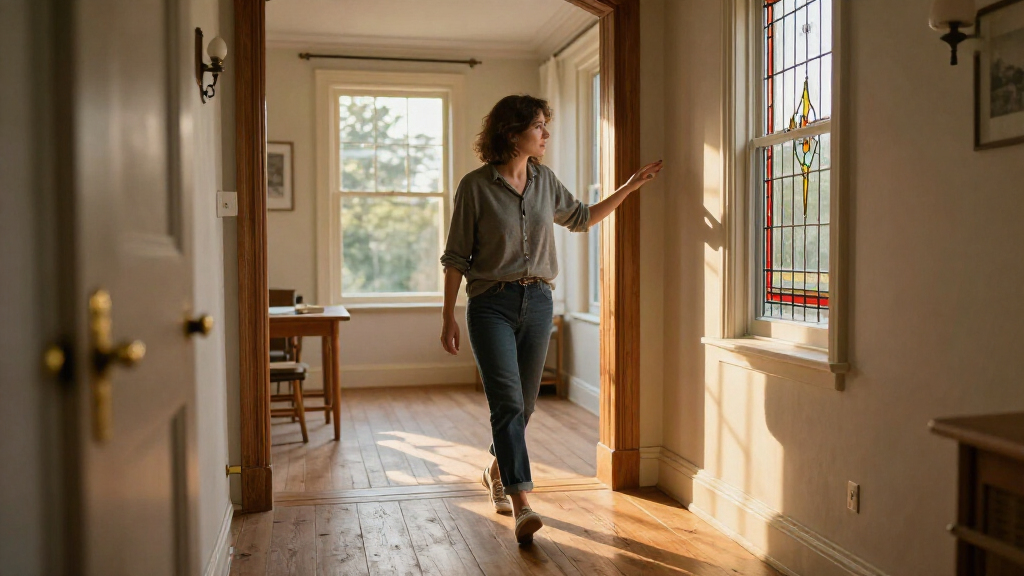
A House Beautiful report says real estate and design professionals are seeing buyers show renewed interest in vintage details such as original hardwood floors, stained glass and exposed brick. The experts describe this as a design trend, not a quantified market-wide finding, and say buyers still want modern amenities and functional layouts.
Real estate and design professionals interviewed by House Beautiful say they are seeing renewed interest in homes with vintage craftsmanship, including original hardwood floors, stained glass, exposed brick and decorative exterior details. Their accounts point to a preference for homes with visible character, but the report does not provide survey data showing that these features are wanted by every buyer or quantify how widespread the trend is.
Peter Michael, founder of Piere Michel Brokerage, told the magazine that clients are drawn to homes that feel “lived in and loved.” He cited details such as hallway arches, exposed-brick fireplaces, high ceilings, vintage light fixtures and original floors as features that can make a property feel rooted rather than mass-produced. These are his observations from working with clients, not a ranked list based on a representative buyer survey.
The interest also appears in new construction, according to Jackie Mosher, cofounder and chief operating officer of Dzinly. She said some new homes are incorporating decorative eaves and exposed rafters—details associated with early Craftsman houses—into modern and transitional designs. Mosher also described stucco appearing on homes in cooler regions, while noting that installation can require more effort where temperatures fluctuate.
Both experts describe the preference as a blend rather than a return to old houses as they were. Michael said buyers still want modern technology and stainless steel appliances, and favor open layouts over small, isolated kitchens. The report offers no price comparisons or evidence that vintage features alone increase a home’s sale value.
Character Meets Today’s Buyer Needs
The observations matter to buyers and sellers because they suggest that a home’s appeal can depend on more than a polished, newly built look. Details that show craftsmanship, texture and age may help a property stand out to some shoppers, while practical expectations remain: buyers may also look for contemporary appliances, smart-home features and layouts suited to current routines.
For people considering renovations, the report offers a design signal, not a guarantee of return. Adding period-inspired trim or preserving original floors may contribute to a home’s character, but the source does not establish that these choices will raise its value or shorten its time on the market. Buyer preferences vary by location, budget and property type.
Popular right now

Dyson Ball Animal 3 Upright Vacuum

Jura E6 Automatic Espresso Machine, Piano Black (15622)

Ninja Foodi 8-Quart DualZone 6-in-1 Air Fryer, Grey (DZ201)
As an affiliate, we earn on qualifying purchases.
From Minimalism to Mixed-Era Design
The experts frame the renewed interest as a response to years of streamlined interiors and new construction that can feel repetitive. Michael said buyers are seeking texture and evidence of the human hand, while Mosher said designers are adapting older architectural cues for contemporary houses rather than copying historic buildings outright.
That distinction runs through the report: vintage references can appear in a newly built home, and historic homes can still be updated for modern living. Mosher described restrained palettes—such as warm whites, taupes and sages—and contrasting trim and exterior cladding as ways to create a classic effect without relying on conspicuously bold choices.
““People are drawn to homes that feel lived in and loved.””
— Peter Michael, founder of Piere Michel Brokerage, speaking to House Beautiful
How Broad Is the Buyer Trend?
The report relies on comments from two professionals and does not include a buyer poll, transaction data, geographic breakdown or comparison with previous years. It is therefore unclear how common the preference is, whether it affects sale prices, or which features matter most across different markets. The headline’s broad wording is not supported by evidence that every homebuyer wants vintage features.
It is also unclear how the interest varies between historic homes and new builds, or how buyers weigh original materials against maintenance costs and energy efficiency. The report describes professional observations; it does not establish that each feature will suit every property or buyer.
What Buyers Can Watch For
The next useful evidence would come from broader buyer surveys and local housing data comparing preferences, prices and sale times. Until then, buyers can treat the features cited by Michael and Mosher as design considerations rather than market guarantees, and assess each home’s condition, upkeep needs and fit with their budget.
For sellers and renovators, the experts’ comments favor preserving or incorporating character while keeping rooms usable and amenities current. Any specific project should be judged against the home’s architecture and local market; the source does not identify a single feature as a sure route to a faster sale or higher price.
Key Questions
Which vintage features did the experts mention?
They cited original hardwood floors, stained glass, high ceilings, exposed brick, arches and vintage light fixtures. Mosher also mentioned decorative eaves and exposed rafters in new construction.
Does the report show that every buyer wants vintage details?
No. It reports observations from two design and real estate professionals, not a representative survey. The source does not show that every buyer shares this preference.
Are buyers choosing vintage features instead of modern amenities?
The experts describe a combination. Michael said clients want vintage character alongside modern technology, smart thermostats and stainless steel appliances, and he also cited demand for open layouts.
Do vintage features increase a home’s value?
The report provides no pricing or resale analysis to establish that they do. A feature’s effect on value may depend on the property, its condition and the local market.
Source: housebeautiful.com