
TL;DR

Get business pricing on tools and workshop supplies
- Business-only prices and quantity discounts
- Tax-exempt purchasing
- Multiple users, one account, clear invoices
A Hunker report describes clear adhesive contact paper as a low-cost way to obscure views through windows while still allowing light to enter. The article says it can be trimmed after application and removed later, but does not provide prices, product testing or independent comparisons of performance.
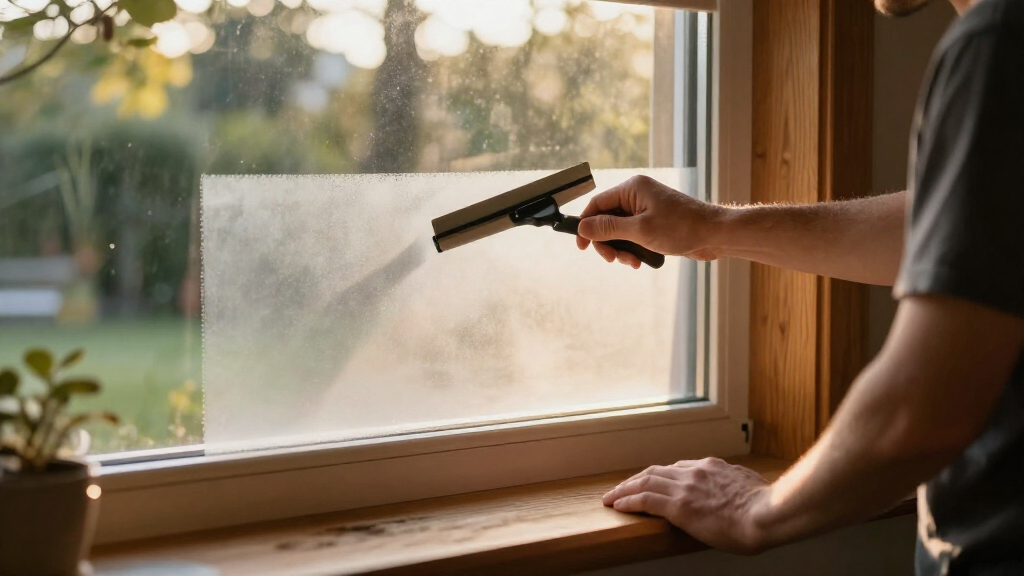
Hunker has highlighted clear contact paper as an inexpensive way to add privacy to household windows without hanging curtains. The adhesive covering creates a frosted appearance that can obscure views while allowing light through, making it a possible option for spaces such as bathrooms where fabric curtains may feel bulky.
The report says contact paper is generally less expensive than static-cling window film, particularly when a larger amount is needed. Because it uses adhesive rather than relying on static cling, Hunker says it may stay in place more reliably in humid rooms such as bathrooms. The article does not provide prices or a product-by-product cost comparison.
For installation, Hunker recommends cleaning the glass first, then applying the paper and smoothing out air bubbles with a wallpaper smoother or a credit card. It advises leaving the material slightly larger than the pane during application and trimming the excess with a utility knife afterward. The listed tools include a measuring tape or ruler and a knife.
Clear paper is one option, not the only look described. Hunker also points to lace, frosted diamond and stained-glass patterns, as well as colored or solid designs that block more light. Strips can be applied instead of covering the full pane to create a striped pattern. The report says the paper can be removed if a homeowner changes their mind; remaining adhesive may be cleaned with soap and water or an adhesive remover.
A Flexible Fix for Exposed Windows
The suggestion gives renters and homeowners another way to address street-facing or overlooked windows without installing curtains or buying window treatments that require hardware. It may be particularly useful where privacy is wanted but daylight is still valuable, or where fabric could make a compact room feel crowded.
Cost and permanence are central to the appeal, but the report does not establish how much a project would save in a particular home. The amount required depends on window size and the chosen product, while patterned or colored coverings may change the amount of light entering a room. Users should weigh those trade-offs against the privacy they need.
Popular right now

Ninja Flip Toaster Oven and Air Fryer, 8-in-1, Stainless Steel, SP151

KitchenAid Classic Series 4.5 Quart Tilt-Head Stand Mixer K45SS, Onyx Black

Bose QuietComfort Wireless Bluetooth Headphones with Active Noise Cancellation, Mic, USB‑C Charging, Deep Bass, 24‑Hour Battery – White Smok
As an affiliate, we earn on qualifying purchases.
How Contact Paper Differs from Film
Hunker frames contact paper as an alternative to both traditional curtains and static-cling window film. Unlike a curtain, the paper attaches directly to the glass and does not occupy space around the window. Unlike static-cling film, it uses adhesive, which the report says can help it remain attached in humid conditions.
The article describes contact paper as a material also used to line drawers or cover flat surfaces. Its window application follows a similar process to applying window film: clean the glass, place the covering, smooth bubbles, and trim excess. Hunker names Con-Tact Brand Creative Clear Covering as an example, but the source does not report testing that product against alternatives.
“A much more budget-friendly way to add privacy to your windows, while still letting in light, is to skip the curtains entirely and apply clear contact paper directly to the glass.”
— Hunker
Costs and Privacy Levels Vary
The source gives no prices, measured savings or installation test results, so the cost advantage cannot be quantified from the report alone. It also does not specify how much visibility the covering blocks at different distances or under different lighting conditions. The degree of privacy may depend on the paper’s opacity, pattern and placement.
Hunker says the adhesive is removable, but provides no details about residue on different glass types, how the material performs over time, or whether repeated exposure to moisture affects its appearance. Readers should check the product label and test a small area if they are concerned about removal or the surface. The article also does not compare contact paper with other privacy options beyond static-cling film and curtains.
Check the Product Before Applying
Anyone considering the method should first decide whether the priority is daylight, stronger screening or a decorative effect, then check that the selected paper is suitable for glass and the room’s conditions. Measuring the pane and preparing a clean surface can help limit gaps and bubbles; Hunker recommends applying an oversized piece and trimming it only after it is in place.
The report does not announce a new product, formal test or follow-up evaluation. The practical next step for readers is to compare the cost and features of available contact paper with window film and curtains, and to check removal guidance before covering the glass.
Key Questions
Does clear contact paper provide privacy while letting in light?
Hunker says it gives glass a frosted look that obscures views while allowing light to filter through. The source does not quantify how much privacy or light a particular product provides.
Is contact paper cheaper than window film?
The report says contact paper is usually less expensive than static-cling window film, especially when a larger quantity is needed. It gives no specific prices or savings figures.
How do you apply contact paper to a window?
Hunker recommends cleaning the glass, applying the paper slightly larger than the pane, smoothing out bubbles with a smoother or card, and trimming excess with a utility knife. Follow the product’s own instructions when applying it.
Can contact paper be removed from a window?
Hunker says it can be removed and suggests cleaning leftover adhesive with soap and water or an adhesive-removal product. The report does not describe how removal may vary by product or glass surface.
Source: hunker.com